
logo icon
  • Treks
    New Category
    • Kedar Kantha Trek
    • Har Ki Dhun Trek
    • Chopta Tugnath Trek
    • Beas Kund Trek
    Medium
    • Valley of Flowers Trek
    • Hampta Pass Trek
    • Sundakphu Trek
    • Goecha La Trek
    Hard
    • Chadar Trek
    • Stok Kangari Trek
    • Rupin Pass Trek
    • Pin Parvati Pass Trek
    image
    Choose your trek difficulty
    View All Treks
  • Expeditions
    New Category
    • New Link
    • New Link
    image
  • Skiing
    • Skiing
  • Why Bikat
  • Full On Travel
  • Blog
  • Shop
  • About

Pure Grit. Pure Adventure.

Bikat means difficult. But with us, that’s not a warning—it’s a promise. Of stories worth telling. Of adventures worth chasing.

Region

Month

Difficulty

Adventure Name

brand
  • Treks
    • Difficulty
      • New Category
        • Kedar Kantha Trek
        • Har Ki Dhun Trek
        • Chopta Tugnath Trek
        • Beas Kund Trek
      • Medium
        • Valley of Flowers Trek
        • Hampta Pass Trek
        • Sundakphu Trek
        • Goecha La Trek
      • Hard
        • Chadar Trek
        • Stok Kangari Trek
        • Rupin Pass Trek
        • Pin Parvati Pass Trek
    • Region
      • Uttarakhand
        • Kedar Kantha
        • Har Ki Dhun
        • Rupin Pass Trek
        • Valley of Flowers Trek
      • Himachal Pradesh
        • Hmpta Pass Trek
        • Beas Kund Trek
        • Pin Parvati Pass Trek
        • New Link
      • Ladakh
        • Chadar Trek
        • Stok Kangari Trek
        • Markha Vallery Trek
        • Lumayuru Trek
      • Sikkim
        • Goecha La Trek
        • Dzongari Trek
        • Greem Lake Trek
      • Bhrigu Pass Trek
        • Annapurna Circuit Trek
        • Langtag valley
        • New Link
    • Season
      • Summer (Apr-Jun)
        • Valley of Flowers
        • Hampta Pass Trek
        • Kedarkantha Trek
      • Monsson (Jul-Sep)
        • Sundakphu Trek
        • Goecha La Trek
        • Markha Valley Trek
      • Autumn (Oct-Nov)
        • Rupin Pass Trek
        • Pin Parvati Trek
        • Har Ki Dhun Trek
      • Winter (Dec-Mar)
        • Chadar Trek
        • Kedarkantha Trek
        • Chopta Tungnath Trek
    • Family Trek
      • Family Treks
        • Chopta Tungnath Trek
        • Har Ki Dun Trek
        • Beas Kund Trek
        • Bhrigu Lake Trek
    • Beginner Friendly
      • Beginner Friendly
        • Kedarkantha Trek
        • Hampta Pass Trek
        • Sandakphu Trek
        • Dzongri Trek
    • Off-beat
      • OFF-BEAT
        • Green Lake Trek
        • Lumayuru Trek
        • Lantang Valley Trek
        • Rupin Pass Trek
    • High Adventures
      • High Adventures
        • Stok Kangari Trek
        • Chadar Trek
        • Pin Parvati Pass Trek
        • Everest Base Camp Trek
    • Bikat Recommends
      • Bikat Recommends
        • Kedarkanth Trek
        • Valley of Flowers Trek
        • Goecha La Trek
        • Chadar Trek
    • Fresh Explorations
      • Fresh Explorations
        • Lamayuru Trek
        • Green Lake Trek
        • Langtang Valley Trek
        • Bhrigu Lake Trek
  • Expeditions
    • New Column
      • New Category
        • New Link
        • New Link
  • Skiing
    • Skiing
  • Why Bikat
  • Full On Travel
  • Blog
  • Shop
  • About
Whatsapp
Chat With Us
Pre Sale
Pre Booking - 8448680062
Post Sale
Post Booking - 9319028363 /8588878499
Email
Email - info@bikatadventures.com
Email
support@bikatadventures.com

Follow us on social media

Subscribe to our newsletter

Get the latest updates and offers.

Contact Us

Whatsapp
Chat With Us
Pre Sale
Pre Booking - 8448680062
Post Sale
Post Booking - 9319028363 /8588878499
Email
Email - info@bikatadventures.com
Email
support@bikatadventures.com

Company

About Us
Careers
Blog
Why Bikat

Support

Contact
Environment Policy
Privacy Policy
Terms and Conditions
Sitemap

Services

Treks
Mountaineering
Crossover Expeditions
Cycling
Bikat Experiences
Skiing
Custom

Mobile

Download on the
Apple Store
Get in on
Google Play
© 2026 Bikat Adventures. All Rights Reserved|Powered by: Novel Knett Software Solutions
Privacy PolicyTerms of Service
FacebookTwitterInstagram
Home
>
Blog
>
The Secret to a Better Trekking Experience
Informative

The Secret to a Better Trekking Experience

Shivam Billore
Written by
Shivam Billore
23 Jul 2025
0 views
0 comments
The Secret to a Better Trekking Experience

Experiencing mountains through trekking is a magical journey that you do for your internal calling. Mountains have their way of humbling you. Crisp air fills your lungs, rocks crunch underfoot, and every step draws you closer to nature and yourself. Challenges are your lessons. The whole relationship between you and nature is a singular experience. Socializing can be a part of it, but at the end of the day, it's your journey. 

Trekking, at its best, is magic—it nourishes the soul. But most treks today don’t feel magical anymore.

What should be a quiet conversation with nature often turns into something else entirely—a queue at Instagram-famous viewpoints, chaotic campsite mornings, endless waiting for the group to “catch up,” and treks that feel rushed rather than experienced.

Sometimes the magic of mountains is put to the test not by the weather, not by the altitude, but by the size of the group you’re trekking with.

So, what’s the secret to a better trekking experience?
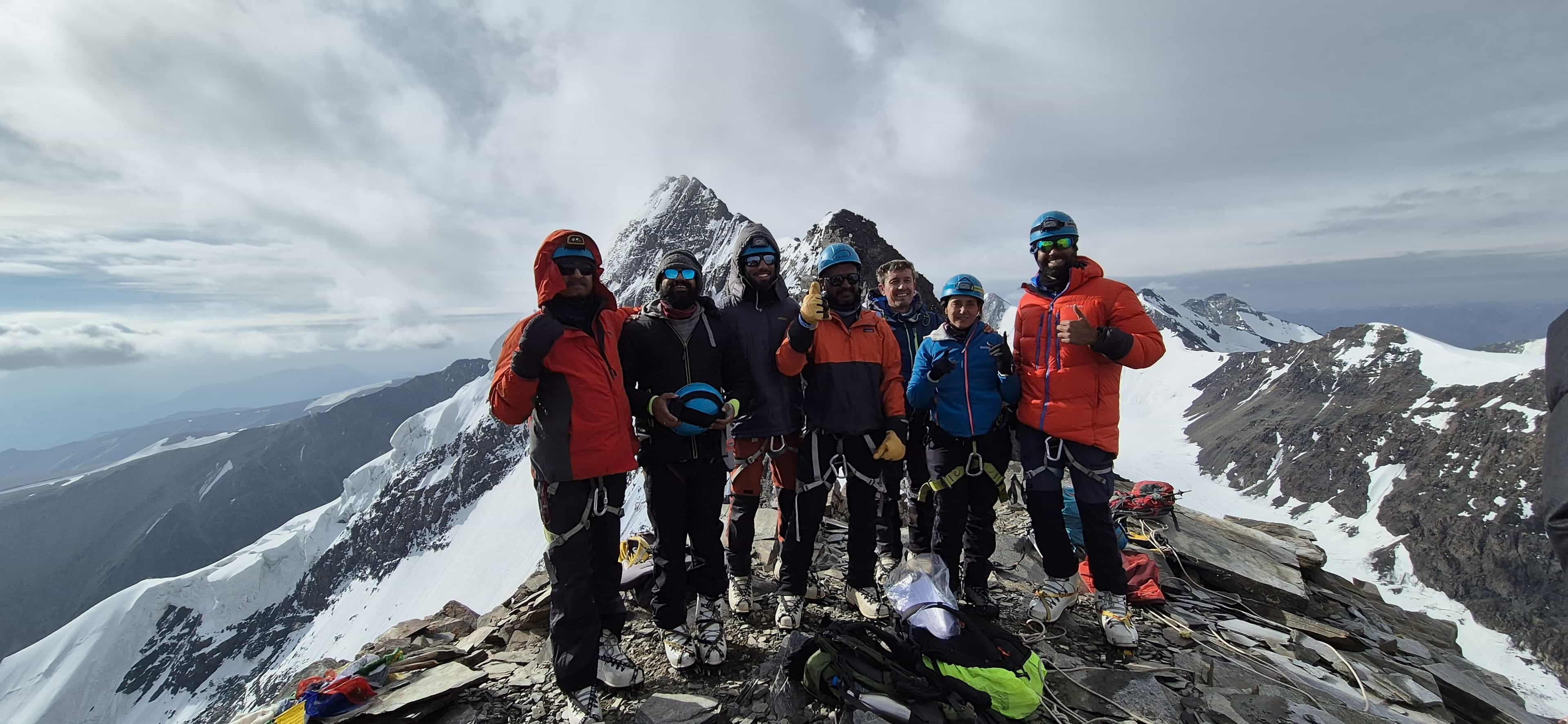
blog-image-0

The Big Secret to a Better Trekking Experience is “Smaller Groups”

The single most important factor that changes your trekking experience is group size.

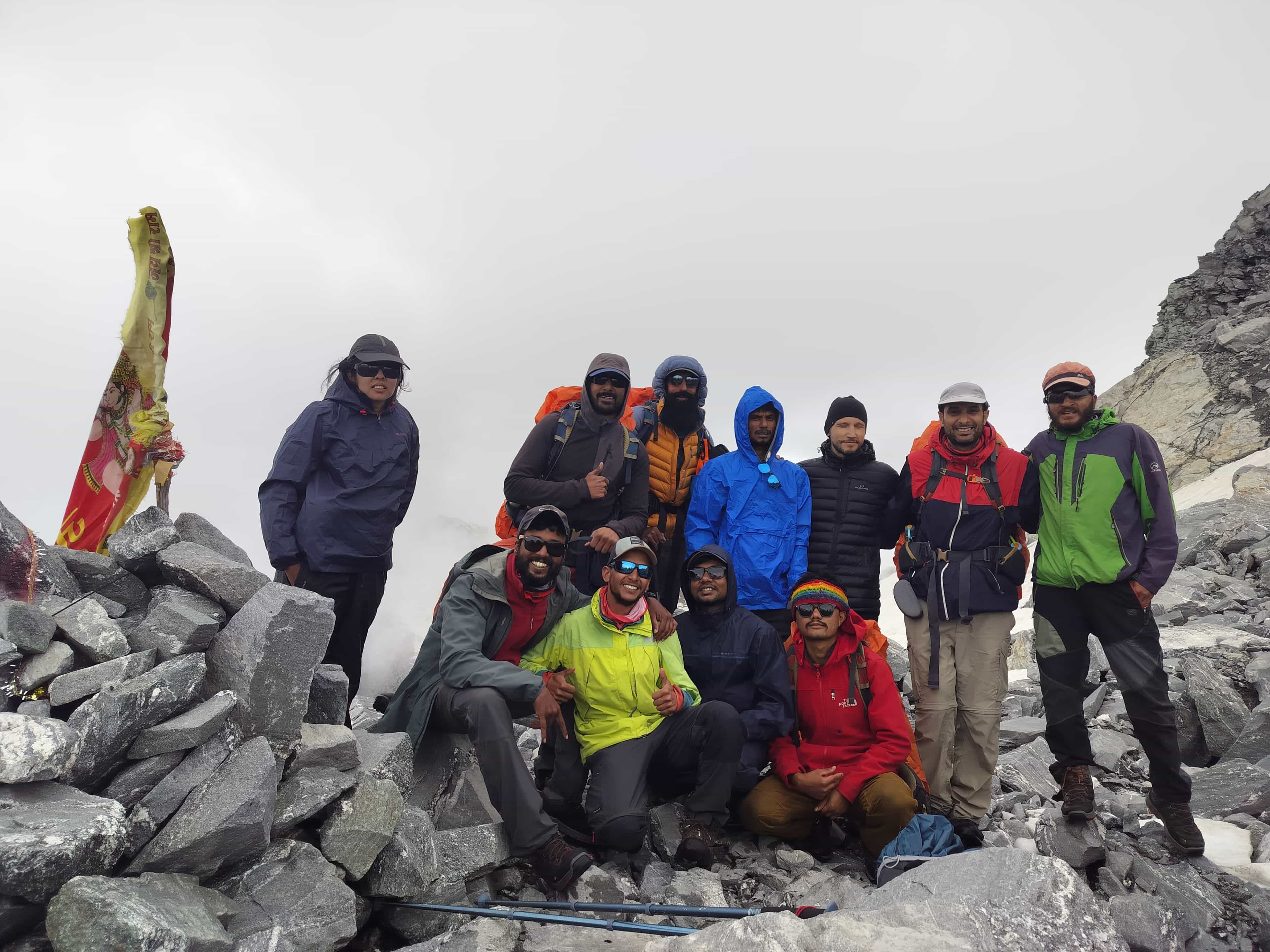
Large groups might sound fun on paper, but in the mountains, they bring problems: mismatched speeds, delayed schedules, noisy campsites, and shallow social interactions. With most trekking companies, groups often grow far beyond the ideal capacity, resembling more of a pilgrimage procession than a trekking experience.

Why Small Groups Work Better

  • Stronger Connections: In smaller groups, you know everyone by name by the end of Day 1. Conversations flow, stories are shared, and genuine friendships are formed. You will easily sync with each other’s trekking rhythms.
  • Better Pacing & Fewer Delays: Fewer people = fewer bottlenecks on trails, stream crossings, and technical sections. You move as one unit, not in disconnected clusters.
  • Safety First: Trek leaders can focus on each individual, spotting early signs of exhaustion or altitude sickness.

  • True Solitude: Smaller groups can reach popular viewpoints earlier, avoiding the crowds and letting you soak in that sunrise in peace.
  • Real Memories, Not Just Reels: Less chaos means more time to be in the moment, not just document it.
blog-image-0

At Bikat Adventures, this isn’t just a choice—it’s a policy. We cap our fixed departure group sizes at 12–15 trekkers to ensure that no one feels like a number, everyone receives personal attention, and the mountains stay as they’re meant to be—peaceful.

For our fixed departure batches, this cap is non-negotiable. The only exceptions? Customized private groups where families, friends, or corporate teams book an entire batch for themselves—these can go bigger if they want the experience together. Rarely, in unavoidable situations like weather delays or emergencies, two batches might be combined, but even then, we maintain strict attention to safety and pacing.

Small group trekking allows you to immerse yourself fully, not just in the trail, but in the shared human experience of the outdoors. In the end, it's not about how many people are on a trek. It's about how deeply each person gets to experience it.

And that’s what makes the Bikat way different.

Other Secrets to a Truly Best Trekking Experience in the Himalayas

While small groups are the biggest game-changer, other conscious choices define whether your trek will feel transformative or just transactional.

Here are a few more secrets that make all the difference:

  • Be Fit for the Mountains—Don’t Turn a Trek into Torture

The mountains are best enjoyed when you’re not gasping for breath or constantly struggling to catch up. Trekking isn’t meant to feel like punishment—it’s supposed to be a rewarding escape.

If you’re underprepared physically, every incline feels steeper, every extra step feels heavier, and you spend more time panting than noticing the view.

A basic fitness routine before your trek—running, stair climbing, or even brisk walking—goes a long way. Be fit enough so the trek becomes an enjoyable getaway, not an endurance test. The fitter you are, the more energy you have left to truly experience the trail.

blog-image-0
  • Save Your Lens (and Yourself) for the Best Views

One of the most underrated secrets to a better trekking experience? Don’t exhaust your camera or yourself too early.

Most trekkers drain their phone batteries and storage space snapping every ordinary bend in the trail, only to regret it when the real magic appears—sunrise at the summit, an untouched meadow, or that once-in-a-lifetime cloud inversion.

Hold back. Soak it in first. Let yourself breathe, listen, and be in the mountains. Take photos after you’ve felt the moment, not before.

You’ll not only have more battery and storage left for the big views, but your pictures will also carry the emotion of the experience, not just a rushed attempt to capture it. And if you still feel like you missed something? You can always click on the way back.

  • Choose Your Flavour 

The company you trek with shapes your entire experience. Many trekking operators run their batches like corporate field trips. Large groups are herded along a fixed schedule, where trekkers are treated like students on a guided tour. The mountains become a backdrop, not a space you actively engage with.

A better trekking experience comes from joining a group where you’re a participant, not just a follower—where you learn, contribute, and feel part of the journey. 

And if you’re trekking with your private group—friends, family, or colleagues—we customize entire batches to fit your pace, style, and goals. Because no two groups should experience the mountains the same way.

At Bikat Adventures, the philosophy is simple: “Let’s try this together,” not “We’ll take you there.” Well-kneeted groups, a liberal approach, and opportunities to learn wilderness skills mean you leave not just with summit photos, but with the confidence and knowledge to be at home in the mountains.

  • Acclimatize Well to Feel at Home in the Mountains

In the mountains, rushing to higher altitudes is a rookie mistake. Don't be in the burst mode. A well-planned trek should allow your body to adapt gradually, with buffer days and slow altitude gains built into the itinerary. Bikat’s itineraries intentionally include acclimatization halts even if that means adding an extra day because your safety and summit success matter more than finishing fast. If you are acclimatized well, the real experience will kick in. You won't be troubled by your physical health. 

blog-image-0
  • Choose an Off-Beat Trek (Always Works)

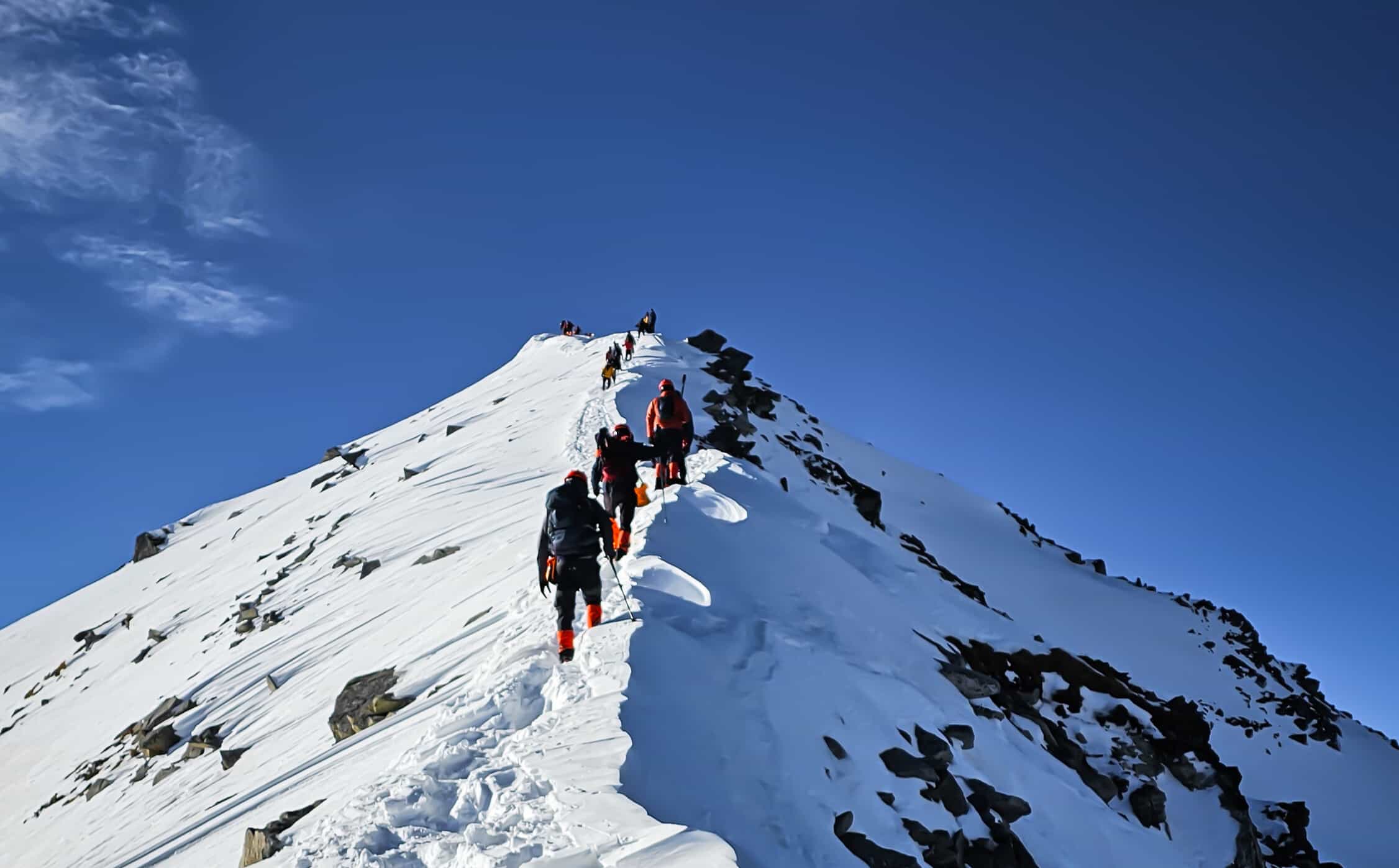
Even if you’re trekking in a small group, popular treks in peak season can still feel overcrowded and frustrating. Imagine arriving at a sunrise viewpoint only to find 100 other trekkers trying to take the same photo, or waiting in long queues at narrow trail sections. The magic of the mountains gets lost when the trail feels like a busy marketplace.

The trick? Go to off-beat Himalayan treks.

Choose treks that haven’t yet caught mainstream attention. Trails that are still "fresh" give you the space to truly experience the wilderness—silence, untouched landscapes, and fewer human distractions. Off-beat treks often offer better chances for solitude, deeper connection with nature, and a more immersive cultural experience with local communities.

And when it comes to popular treks like Kedarkantha or Brahmatal, timing is everything. Experience them after the initial hype dies down, not when every batch is full and campsites are overflowing. Pro Tip: November is your month to get the best offbeat.

At Bikat Adventures, this is easy to do. With a wide range of off-beat trails and popular treks run in non-peak seasons, you’re never short of choices. Whether it’s exploring hidden gems like the Pangarchulla trek or the Goechala trek in Winter.

blog-image-0
  • Trek Light Trek Free

One of the most overlooked secrets to a better trekking experience is packing less, not more.

Most trekkers start with rucksacks stuffed with “just in case” items—extra clothing, backup gadgets, and comforts they think they can’t live without. The truth? Half of it never gets used.

Every unnecessary item adds weight, slows your pace, drains your energy, and shifts your focus from the trail to the struggle of carrying it. By the end of Day 2, most trekkers regret packing half of their stuff.

Carry just what keeps you safe, warm, and functional:

Technical Gear: Trekking shoes, poles, and microspikes (when needed)

Essential Clothing: Layered, weather-appropriate, quick-dry, not multiple outfits

Lightweight Miscellaneous Items: A headlamp, reusable bottle, and basic toiletries

When you shed the weight, two things happen: Your body thanks you – Every step feels lighter, every climb less exhausting. With less physical strain, you can enjoy the view, engage with your group, and feel present.

Here is a trekking essential checklist for your reference.

blog-image-0

The Bikat Way: Trek Responsibly, Trek Better

The secret to a better trekking experience isn’t one thing—it’s a set of conscious choices:

  • Small groups over crowds
  • Fitness and acclimatization over rushing
  • Learning over just following
  • Responsibility over convenience

The mountains aren’t meant to be consumed; they’re meant to be earned, understood, and respected. Having said that, even when we run customized large-group batches, the same principles apply—safety, pacing, and respect for the trail remain uncompromised

If you’re ready for a trekking experience that feels personal, meaningful, and truly adventurous, you’ve just found the secret.

Explore Treks with Bikat Adventures. Check Upcoming Batches Here.

Share
Prev
Yunam Peak Trek: Crossing 6000M the Real Way
All blogs
Next
Hampta Pass Trek from Manali: Complete Itinerary, Difficulty, Best Time & Cost

Leave a Reply

Your email address will not be published.

Max 5 images, total size 3MB
Preview images

Related content

Discover these similar Blogs

10 Mountain Features Every Trekker Should Know: Master the Lingo of the Himalayas

10 Mountain Features Every Trekker Should Know: Master the Lingo of the Himalayas

02 Apr 2026
Kedarkantha vs Dayara Bugyal: The Ultimate Winter Trek Showdown

Kedarkantha vs Dayara Bugyal: The Ultimate Winter Trek Showdown

01 Dec 2025
Skiing in Kashmir: A No-Nonsense Guide to the Gulmarg Skiing Scene

Skiing in Kashmir: A No-Nonsense Guide to the Gulmarg Skiing Scene

09 Nov 2025
Go Nuts November — Official Explainer (How to Enter + Win)

Go Nuts November — Official Explainer (How to Enter + Win)

31 Oct 2025
Gulmarg vs Auli: Where to Learn Skiing in India  (An Honest Guide for 2025)

Gulmarg vs Auli: Where to Learn Skiing in India (An Honest Guide for 2025)

31 Oct 2025
Sleeping Bags that Actually Work in the Himalayan Winters (Not Just on Websites)

Sleeping Bags that Actually Work in the Himalayan Winters (Not Just on Websites)

27 Oct 2025
Snowfall Areas in India You Can Actually Trek Through

Snowfall Areas in India You Can Actually Trek Through

19 Oct 2025
Skiing in India: All You Need to Know Before You Hit the Slopes This Winter

Skiing in India: All You Need to Know Before You Hit the Slopes This Winter

10 Oct 2025
Trekking in Winter: Why Winter Trails Are a Different Kind of Magic

Trekking in Winter: Why Winter Trails Are a Different Kind of Magic

08 Oct 2025
Snow Trekking Shoes in India: What Actually Works on the Himalayan Trails

Snow Trekking Shoes in India: What Actually Works on the Himalayan Trails

08 Oct 2025

Popular tags

Explore more categories and themes from the same trail journal.

March

March

0 treks
April

April

0 treks
Skiing Courses

Skiing Courses

4 treks
May

May

0 treks
June

June

0 treks
Kayaking Courses

Kayaking Courses

0 treks
July

July

0 treks
6000M+ Peaks

6000M+ Peaks

1 treks
Nepal Treks

Nepal Treks

6 treks
Offbeat Treks

Offbeat Treks

26 treks
Scuba Courses

Scuba Courses

2 treks
August

August

0 treks
Wild Life Treks

Wild Life Treks

2 treks
Winter Treks

Winter Treks

28 treks