logo icon
  • Treks
    New Category
    • Kedar Kantha Trek
    • Har Ki Dhun Trek
    • Chopta Tugnath Trek
    • Beas Kund Trek
    Medium
    • Valley of Flowers Trek
    • Hampta Pass Trek
    • Sundakphu Trek
    • Goecha La Trek
    Hard
    • Chadar Trek
    • Stok Kangari Trek
    • Rupin Pass Trek
    • Pin Parvati Pass Trek
    image
    Choose your trek difficulty
    View All Treks
  • Expeditions
    New Category
    • New Link
    • New Link
    image
  • Skiing
    • Skiing
  • Why Bikat
  • Full On Travel
  • Blog
  • Shop
  • About

Pure Grit. Pure Adventure.

Bikat means difficult. But with us, that’s not a warning—it’s a promise. Of stories worth telling. Of adventures worth chasing.

Region

Month

Difficulty

Adventure Name

brand
  • Treks
    • Difficulty
      • New Category
        • Kedar Kantha Trek
        • Har Ki Dhun Trek
        • Chopta Tugnath Trek
        • Beas Kund Trek
      • Medium
        • Valley of Flowers Trek
        • Hampta Pass Trek
        • Sundakphu Trek
        • Goecha La Trek
      • Hard
        • Chadar Trek
        • Stok Kangari Trek
        • Rupin Pass Trek
        • Pin Parvati Pass Trek
    • Region
      • Uttarakhand
        • Kedar Kantha
        • Har Ki Dhun
        • Rupin Pass Trek
        • Valley of Flowers Trek
      • Himachal Pradesh
        • Hmpta Pass Trek
        • Beas Kund Trek
        • Pin Parvati Pass Trek
        • New Link
      • Ladakh
        • Chadar Trek
        • Stok Kangari Trek
        • Markha Vallery Trek
        • Lumayuru Trek
      • Sikkim
        • Goecha La Trek
        • Dzongari Trek
        • Greem Lake Trek
      • Bhrigu Pass Trek
        • Annapurna Circuit Trek
        • Langtag valley
        • New Link
    • Season
      • Summer (Apr-Jun)
        • Valley of Flowers
        • Hampta Pass Trek
        • Kedarkantha Trek
      • Monsson (Jul-Sep)
        • Sundakphu Trek
        • Goecha La Trek
        • Markha Valley Trek
      • Autumn (Oct-Nov)
        • Rupin Pass Trek
        • Pin Parvati Trek
        • Har Ki Dhun Trek
      • Winter (Dec-Mar)
        • Chadar Trek
        • Kedarkantha Trek
        • Chopta Tungnath Trek
    • Family Trek
      • Family Treks
        • Chopta Tungnath Trek
        • Har Ki Dun Trek
        • Beas Kund Trek
        • Bhrigu Lake Trek
    • Beginner Friendly
      • Beginner Friendly
        • Kedarkantha Trek
        • Hampta Pass Trek
        • Sandakphu Trek
        • Dzongri Trek
    • Off-beat
      • OFF-BEAT
        • Green Lake Trek
        • Lumayuru Trek
        • Lantang Valley Trek
        • Rupin Pass Trek
    • High Adventures
      • High Adventures
        • Stok Kangari Trek
        • Chadar Trek
        • Pin Parvati Pass Trek
        • Everest Base Camp Trek
    • Bikat Recommends
      • Bikat Recommends
        • Kedarkanth Trek
        • Valley of Flowers Trek
        • Goecha La Trek
        • Chadar Trek
    • Fresh Explorations
      • Fresh Explorations
        • Lamayuru Trek
        • Green Lake Trek
        • Langtang Valley Trek
        • Bhrigu Lake Trek
  • Expeditions
    • New Column
      • New Category
        • New Link
        • New Link
  • Skiing
    • Skiing
  • Why Bikat
  • Full On Travel
  • Blog
  • Shop
  • About
Whatsapp
Chat With Us
Pre Sale
Pre Booking - 8448680062
Post Sale
Post Booking - 9319028363 /8588878499
Email
Email - info@bikatadventures.com
Email
support@bikatadventures.com

Follow us on social media

Subscribe to our newsletter

Get the latest updates and offers.

Contact Us

Whatsapp
Chat With Us
Pre Sale
Pre Booking - 8448680062
Post Sale
Post Booking - 9319028363 /8588878499
Email
Email - info@bikatadventures.com
Email
support@bikatadventures.com

Company

About Us
Careers
Blog
Why Bikat

Support

Contact
Environment Policy
Privacy Policy
Terms and Conditions
Sitemap

Services

Treks
Mountaineering
Crossover Expeditions
Cycling
Bikat Experiences
Skiing
Custom

Mobile

Download on the
Apple Store
Get in on
Google Play
© 2026 Bikat Adventures. All Rights Reserved|Powered by: Novel Knett Software Solutions
Privacy PolicyTerms of Service
FacebookTwitterInstagram
Home
>
Blog
>
Snow Trekking Shoes in India: What Actually Works on the Himalayan Trails
Informative

Snow Trekking Shoes in India: What Actually Works on the Himalayan Trails

Shivam Billore
Written by
Shivam Billore
08 Oct 2025
0 views
0 comments
Snow Trekking Shoes in India: What Actually Works on the Himalayan Trails

You’ve been planning this Himalayan trek for months. You finally get to the base camp, hit the trails, take your first steps, and boom! Your feet go two different directions, and you land hard on your back. The outsole of one of your shoes has peeled clean off, leaving you with a swollen tailbone and a shattered trek plan. Your trek is over before it begins. All because your shoes betrayed you.

This isn’t a scene from a bad outdoor movie. We’ve seen it happen. We’re going to make sure it doesn’t happen to you. Snow trekking in India’s Himalayas is tricky, brutal, and unforgiving. Your shoes are your foundation. Get them wrong, and you fail. Get them right, and you can navigate any snowy trail with confidence.

Here is a deep dive on how to pick your snow trekking shoes in India for the Himalayan trails. 

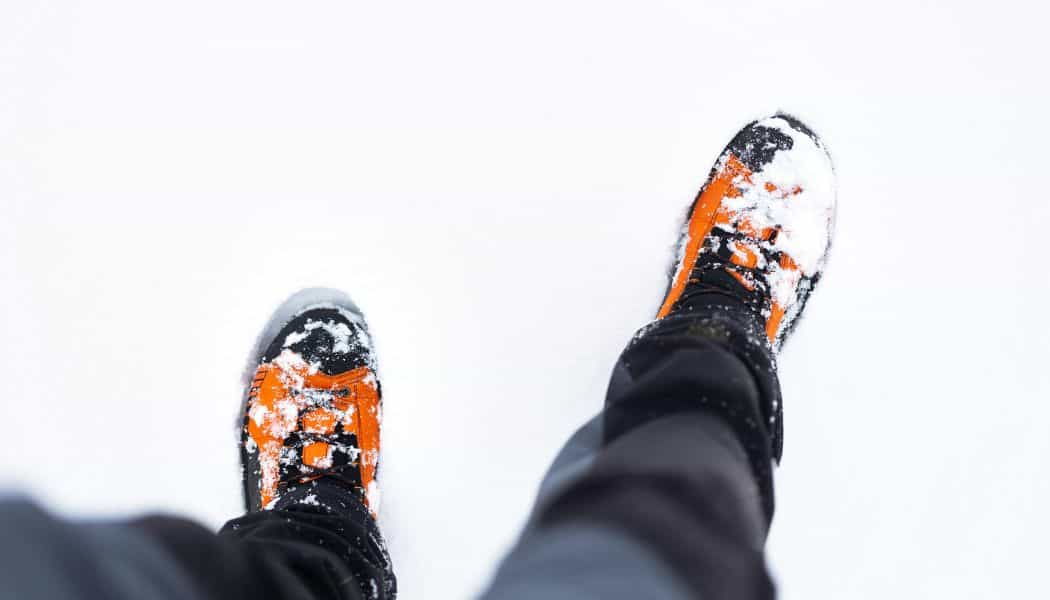
A Grippy Outsole

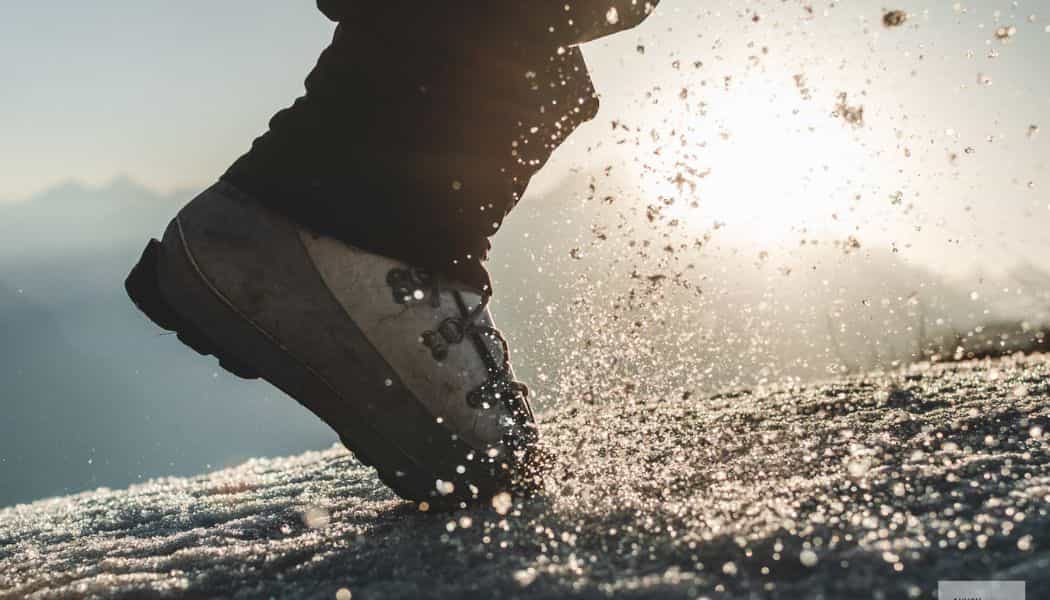
Snow, rocks, mud, ice, slush —everything demands superior footing.

  • Select a pair of good trekking shoes that feature a sticky rubber outsole and deep lugs (5mm or more), which provide a firm footing on any surface. 
  • Some shoes come fitted with default Vibram outsoles that really bite into the ice and help you plant your foot fully, both on uphill, plain, and downhill sections. 
  • If not Vibrams, you can always choose something similar, but the lug pattern and sticky rubber compound are non-negotiable. 
  • This also means that you should avoid wearing your flat-soled tennis shoes, running shoes, or any of your daily sneakers on the snowy trails.

How do you know your outsole works (or not)?

  • You rarely, if ever, slip on snow
  • You feel your lugs bite firmly into the terrain
  • You move with control and total balance
blog-image-0

Waterproofing

The truth about a bad pair of shoes on snow: Once you get wet, you stay wet, for a long time. That can cause foot infections, blisters, and more, raising the discomfort to the power of 5. 

Here are some waterproofing pointers to look for in your next pair of trekking shoes.

Remember: We are looking for a robust shoe that will keep you dry and comfortable in the snow. 

  • Do not trust water-resistant labels on the shoes found at your local vendor. These usually get wet on a 5-minute exposure to morning dew. 
  • Look for Gore-Tex layered shoes or shoes with a water-repellant midlayer/membrane that acts as a barrier between your foot and any water that may force itself in. 
  • Go for shoes that have hooks for gaiter attachment. A gaiter is your second line of defence when the expected snow level is at your ankle level or higher.

How do you know your shoes are actually waterproof?

Insert a thick roll of paper into the toebox of your shoes. Now, pour a full glass of water on your shoes and leave it for a minute. If the paper roll is fully dry, or about 10% wet (extreme case), then you've got yourself the right shoes. In all other cases, reject and retry. 

blog-image-0

Fit Check


For your shoes to qualify as the best trekking shoes on snow, one of the first boxes it should check is the fit. An ideal pair is neither too tight/narrow nor too loose. Your feet should be in their most relaxed, natural state. Anything less is a risk.

When you trek for days in your shoes, your feet expand. This doesn’t mean that your size 9 foot at the basecamp will swell up to a size 12 by the summit day. The small expansion is due to the constant blood flow to your legs, which demands a strategic space. So, how do you know you have the right-fitting shoes?

- Your regular dri-fit socks and woollen socks both have to fit into your shoes together at different times of the day. Neither should feel constrictive.

- Your pair doesn't run too tight up front, or is too narrow in the middle.

- When you wear your shoes for a snowy trail, your toe and the toebox of your shoes should have a quarter inch of space between them.

And most importantly, your shoes should give you a solid heel lockdown, so you don’t face any heel slippage, leading to blisters, blood clots, or an injury on the trails.

Ankle Support


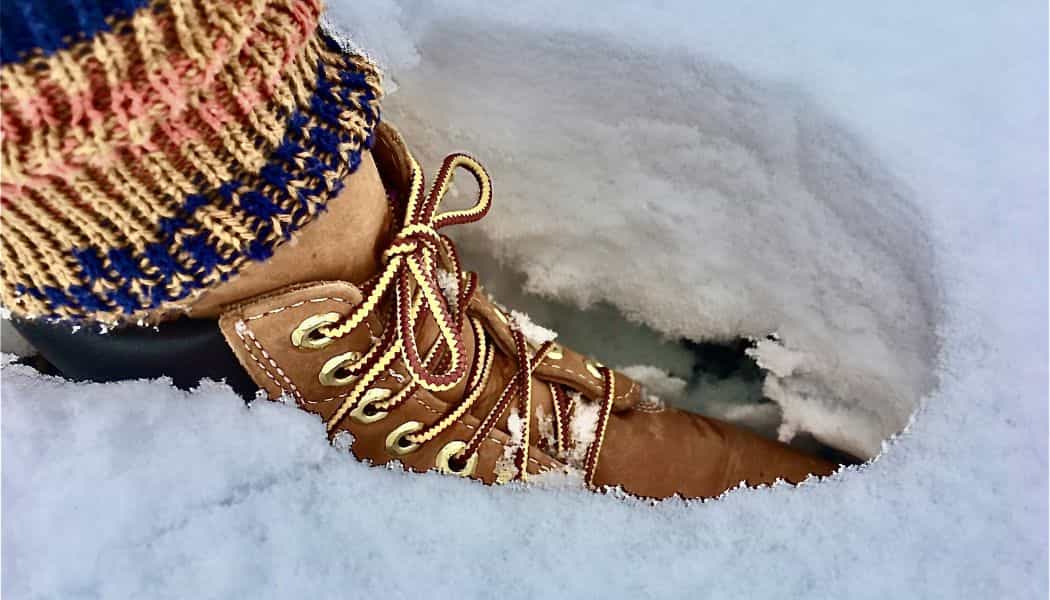
Wearing any type of low-ankle shoes on a winter trek in India would mean you risk an injury. The soft, white snow conceals the irregular terrain underneath: rocks, roots, small sharp stones, fallen tree branches, and sometimes, nothing at all. A twisted ankle at 13000ft is not a pleasant experience. Avoid low-cut shoes when you trek on the snow. Always opt for mid-to-high ankle shoes with ample heel cushioning.

How do you know your shoes have good ankle support?


- You never get the classic ‘shoe bite’ blisters on the skin of your heel
- You're never rolling your ankles, and the heel feels secure and sits firmly inside your shoes
- Your shoes never come off when you go down a slippery incline


blog-image-0

Insulation, Comfort, and Layering with Socks

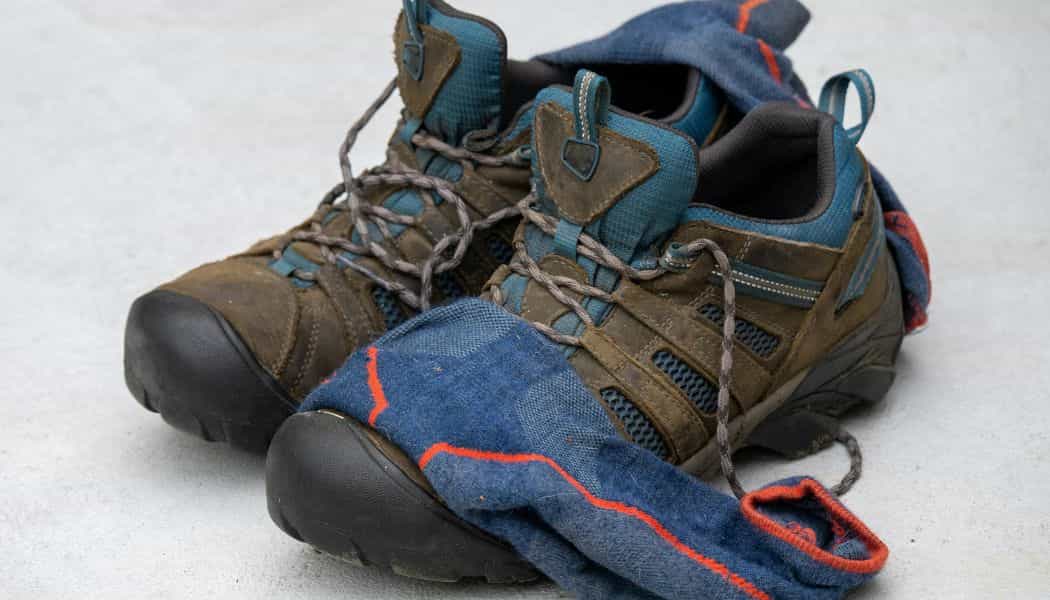
Your socks can be your best accessory or the worst. There is a thin, insulated line that separates the two. Most of us have made the mistake of packing a bunch of thick, fluffy cotton socks that absorb sweat and keep our feet moist and uncomfortable. Time to find a permanent fix.

Have a thin, sweat-wicking pair of Dri-Fit socks for your inner layer.

Have a thicker pair of woollen socks as insulation for your outer layer if it's too cold.

Always pack 3 pairs of Dri-Fit socks so you have extra on wet/rainy/snowy days.

You should not feel too tight with a pair of woollen socks or too loose with a pair of regular, hiking socks

How do you know your socks are right?

- You have dry, blister-free feet the whole trek
- Your toes and heels get and stay warm on the snowy trails

blog-image-0

Recommendations and Some Common Pointers


You can be an absolute beginner, a novice, or an experienced trekker.

There is a pair for everyone.

We have some recommendations if you are looking for the best trekking shoes for snow. 

  1. Amphibia from Wildcraft

  2. Quecheua Forclaz from Decathlon

  3. Trailmaker from Adidas 

  4. Newton Ridge from Columbia

  5. Salewa Alpine Trainer from Trekkit (FYI: This one is expensive)

Now that we have the best trekking shoes for snow sorted, here are a few key points to consider before purchasing them.

  • Broad base - Make sure the base of the shoes is wide enough for you to plant your foot firmly inside, and spread out your toes. It should be free of pronation issues. 

  • Drainage system - In some cases, water or snow shall make its way inside your shoes. The shoes must have a proper drainage system (micropores) to let the water out. 

  • Accessories - Carry a small tube of shoe glue and extra shoelaces on your treks.
     
  • Break-in - Never trek in a fresh pair of shoes on snow. Use them prior, and put on at least 25-30 miles/ 50km on them before you take them to the trails.
     
  • Maintenance and storage - Always store your shoes in a dry, cool space. Have a shoe brush and clean your shoes after every trip.

When it comes to picking the best pair of trekking shoes in India, do not compromise on quality or comfort over aesthetics. Pair the right shoes with the right socks, and a good pair will last you for a comfortable span of 450-500miles/800 km. 

Also, never try to replicate what your local village guides or mountain men do; instead, purchase a pair of the lightest, zero-cushion, faux-leather shoes. These men are masters of their craft and terrain. What works for them will definitely not work for you (or me). It's almost like a pair of super-spikes that can make Usain Bolt get an Olympic gold, but can tear away our hamstrings in an instant!

Choose wisely. 

Share
Prev
12 Real Winter Mistakes People Make on Winter Treks in India (And How to Avoid Them)
All blogs
Next
Trekking in Winter: Why Winter Trails Are a Different Kind of Magic

Leave a Reply

Your email address will not be published.

Max 5 images, total size 3MB
Preview images

Related content

Discover these similar Blogs

10 Mountain Features Every Trekker Should Know: Master the Lingo of the Himalayas

10 Mountain Features Every Trekker Should Know: Master the Lingo of the Himalayas

02 Apr 2026
Kedarkantha vs Dayara Bugyal: The Ultimate Winter Trek Showdown

Kedarkantha vs Dayara Bugyal: The Ultimate Winter Trek Showdown

01 Dec 2025
Skiing in Kashmir: A No-Nonsense Guide to the Gulmarg Skiing Scene

Skiing in Kashmir: A No-Nonsense Guide to the Gulmarg Skiing Scene

09 Nov 2025
Go Nuts November — Official Explainer (How to Enter + Win)

Go Nuts November — Official Explainer (How to Enter + Win)

31 Oct 2025
Gulmarg vs Auli: Where to Learn Skiing in India  (An Honest Guide for 2025)

Gulmarg vs Auli: Where to Learn Skiing in India (An Honest Guide for 2025)

31 Oct 2025
Sleeping Bags that Actually Work in the Himalayan Winters (Not Just on Websites)

Sleeping Bags that Actually Work in the Himalayan Winters (Not Just on Websites)

27 Oct 2025
Snowfall Areas in India You Can Actually Trek Through

Snowfall Areas in India You Can Actually Trek Through

19 Oct 2025
Skiing in India: All You Need to Know Before You Hit the Slopes This Winter

Skiing in India: All You Need to Know Before You Hit the Slopes This Winter

10 Oct 2025
Trekking in Winter: Why Winter Trails Are a Different Kind of Magic

Trekking in Winter: Why Winter Trails Are a Different Kind of Magic

08 Oct 2025
12 Real Winter Mistakes People Make on Winter Treks in India (And How to Avoid Them)

12 Real Winter Mistakes People Make on Winter Treks in India (And How to Avoid Them)

08 Oct 2025

Popular tags

Explore more categories and themes from the same trail journal.

March

March

0 treks
April

April

0 treks
Skiing Courses

Skiing Courses

4 treks
May

May

0 treks
June

June

0 treks
Kayaking Courses

Kayaking Courses

0 treks
July

July

0 treks
6000M+ Peaks

6000M+ Peaks

1 treks
Nepal Treks

Nepal Treks

6 treks
Offbeat Treks

Offbeat Treks

26 treks
Scuba Courses

Scuba Courses

2 treks
August

August

0 treks
Wild Life Treks

Wild Life Treks

2 treks
Winter Treks

Winter Treks

28 treks