So let us talk about the precautions and planning now.
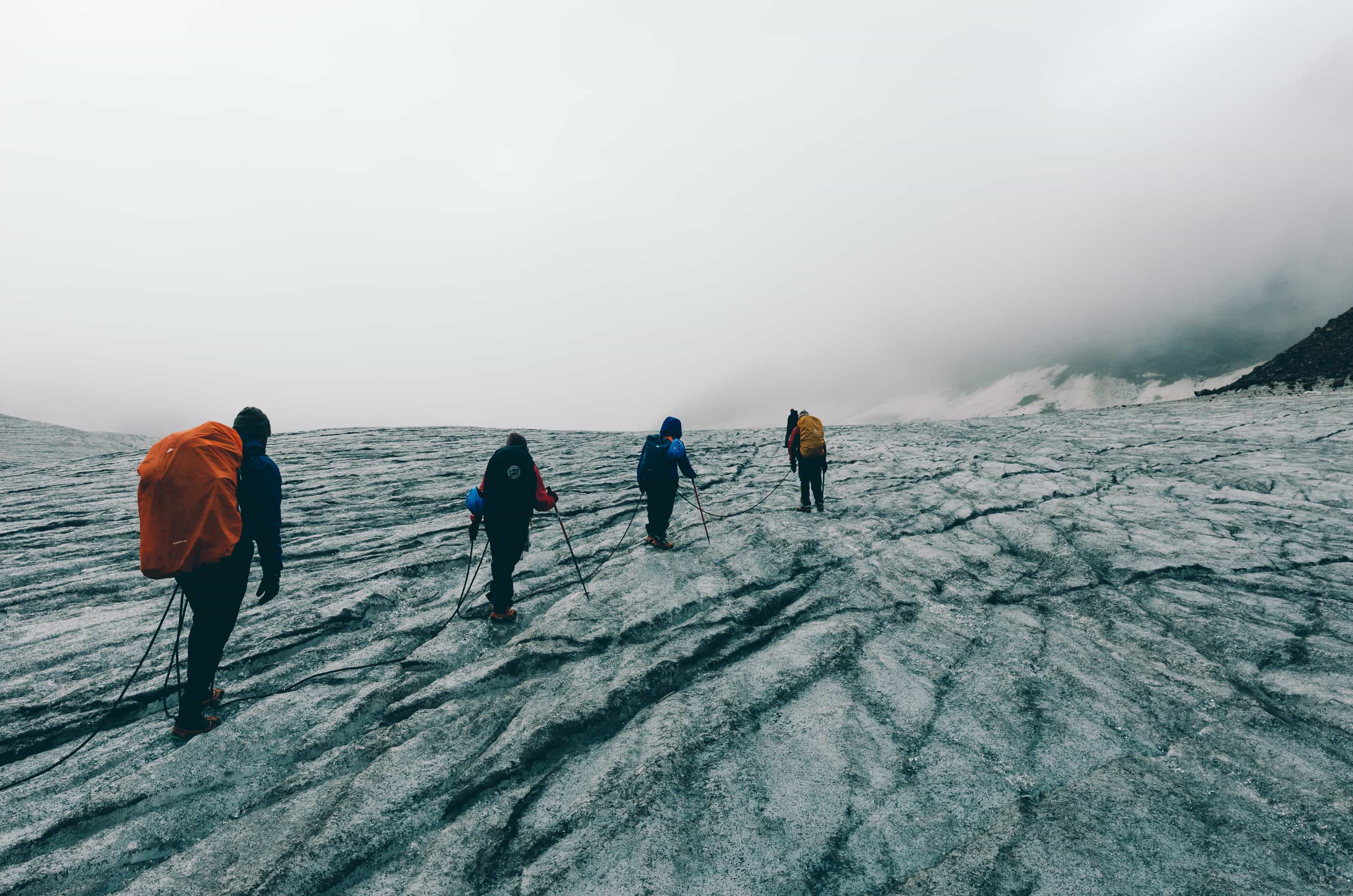
First of all, it is important to note that the Pin Parvati Pass trek is meant only for seasoned hikers. It is rated 6 on our difficulty scale. Breaking it down, that means it should be attempted only by people who have previously hiked to an altitude of 4000 - 4500m on glaciated terrain, and have at least 10-12 quality Himalayan trekking days (this does not include day hikes, or longer hikes in other mountain ranges). A Basic Mountaineering Course from one of mountaineering institutes is recommended, though not mandatory. The requisite skills include knowing How to use basic mountaineering equipment like gaiters & micro spikes, How to cross large water streams and acclimatization procedures. This trail is not for beginners who are not used to balancing on narrow and precarious trails.
If you are looking for a relatively easier and shorter trekker, consider the Pin Bhaba Pass trek. The Pin Bhaba trail shares a lot with the Pin Parvati Pass trek - half of the name, the grand, majestic views, the lush Kafnu valley and the exit into the arid expanse of the Spiti valley at Mudh at Kaza.
So let us talk about each of the concerns around the Pin Parvati Pass trail below -
Tricky Sections - On the third and fourth days of the trail (as it is traditionally done), there are two sections with high exposure and a close to zero margin of error. The first involves scrambling over two stretches of around 10-15m and 50-60 degrees slope, where a slip or misstep will result in falling into the furious Parvati river below. The second involves crossing two boulder bridges, one over a subsidiary stream and the other over the Parvati itself. The boulders are steep and featureless enough to require the use of hands as well, with minimal footholds on partial sections of the boulders. All these sections are negotiated with ropes and the assistance of guides and support staff, which mitigates the disastrous results of a potential fall.
As mentioned above, this is not a trail for beginners who cannot deal with mild exposure and short stretches of sub-vertical scrambling. This should not be your second or third hike in the Indian Himalaya. Work up to it.
Belayed crossing across tricky boulder bridges