Wait, how do you choose a trek for yourself?
Don’t pick a trek based on photos. Pick one based on what version of yourself you want to meet.
If you're just starting, go low, go short, go humble. Treks like Kedarkantha, Dayara Bugyal, or Deoriatal Chandrashila Trek give you the taste of blood. If the itch sticks, level up.
If you’ve trekked before, Hampta, Brahmatal, or Sandakphu Trek will punish your calves and reward your mindset.
If you’ve got the lungs and legs, hit Rupin, Pin Bhaba, or Goechala—routes that chew up egos and spit out grit.
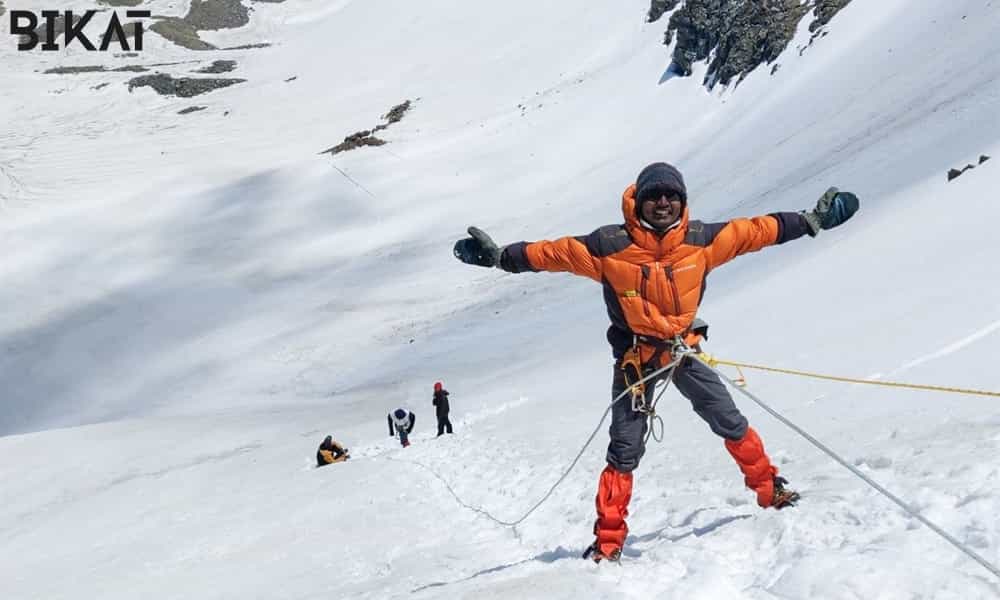
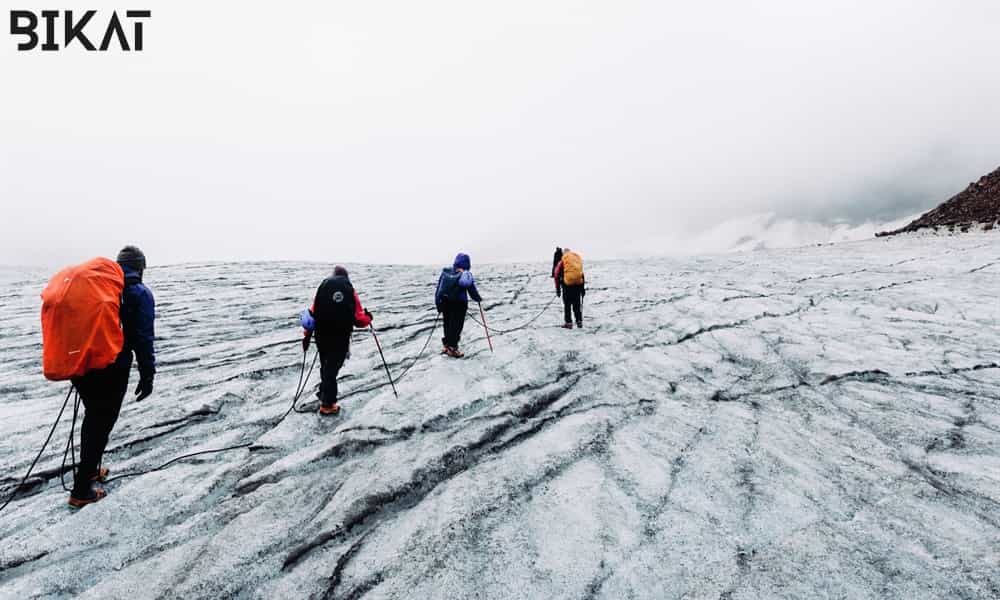
If you’re looking at ropes, crevasses, and crampons, then welcome to the club. CB13, Kang Yatse, Nun—they won’t just test your gear. They’ll test your judgment.
Match your trek not to your calendar, but to your capability and courage. Need help? Ask. We don’t oversell. We gatekeep—for your own damn good.
What about safety
Mountains don’t care how pumped you are. They care how prepared you are.
The Himalayas are stunning, but they don’t play nice. Rapid weather changes, high altitude, tricky terrain—they demand respect. At Bikat, safety isn’t a checkbox—it’s the baseline of how we operate. Every trek we run is designed around one non-negotiable: you come back in one piece, stronger than you left. All our trek leaders are well-equipped and skilled enough to handle any crisis.
Most companies plan for things to go right. We plan for what can go wrong—and how to respond when it does.
- Pre-Trek Risk Assessments for every batch
- Route recce and seasonal terrain checks
- Batch size limits to avoid chaos and overexposure
- Health check-ups
Read to know “What Makes a Trek 'Safe’?
Altitude Mountain Sickness (AMS), HAPE, and HACE are not buzzwords. They’re real, and we train trekkers to recognize and report symptoms early.
What we do:
- Acclimatization breaks are included in the itinerary
- O2 saturation is one of the data points in the evaluation of the trekker’s condition
- Rapid descent plans for anyone showing serious symptoms
- Batch evacuation plans at every major campsite
Read:
Being Medically Prepared for Outdoors
Understanding Acclamitations
How do you prepare for a trek?
Want the mountain to treat you well? Show up ready. That includes more than throwing stuff into a backpack the night before your trek. At Bikat, we believe preparation is part of the adventure, and it starts long before you lace up your boots.
1. Have the Right Mindset
- You’re not going on a vacation. You’re going into the wild.
- There will be discomfort. That’s the point.
- The weather won’t care about your schedule.
- The only thing you control? Your readiness.
Equipment to Use on Treks and Expeditions
2. Fitness Matters: Be trail fit.
Trekking isn’t body-building. It’s sustained endurance + uphill resilience.
Basic Fitness Benchmark:
- Climb 6 floors without gasping
- Walk 10 km in under 90 minutes
- Hold a 60-second wall-sit and a 1-minute plank
- Recover overnight after a long hike
Training Recommendations:
- 4 weeks before trek: Walk + stair climbs (5x/week)
- Add strength (squats, lunges, planks)
- Endurance > Speed. Elevation gain > distance
- Optional: Backpack practice walks with a 6-8 kg load
How You Can Prepare Yourself For A Hiking Trip
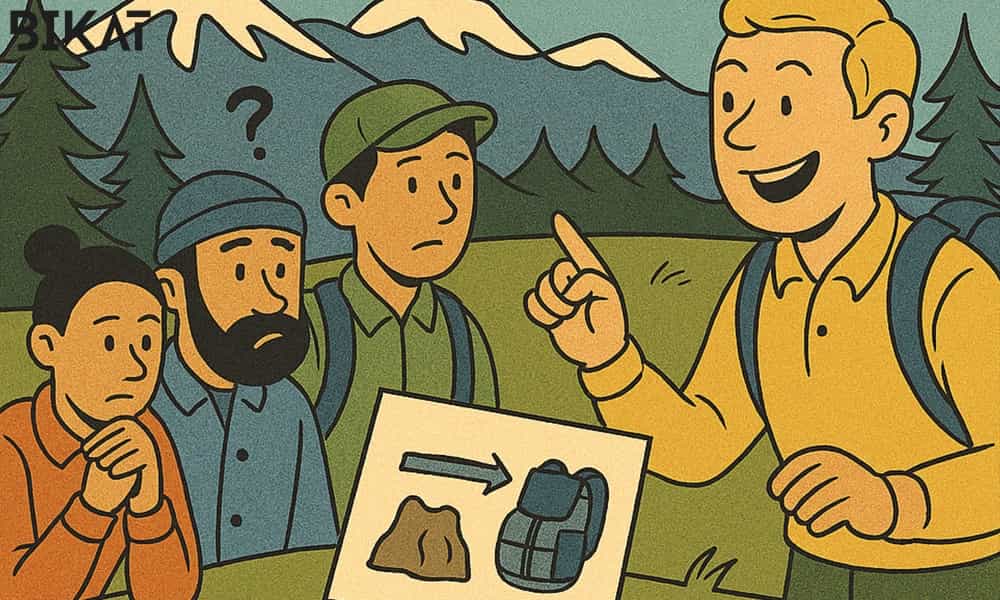
3. Gear up like a pro, not a tourist
If your gear fails, you fail. Period. We provide tents, sleeping bags, and common gear—but here’s what you need to bring:
The Essentials:
- Backpack (50- 60L) with rain cover
- Layered clothing system (base + mid + outer)
- Headlamp, not a phone flashlight
- A steel bottle. Plastic is for tourists. You’re not a tourist.
- Trekking poles are optional but highly recommended
Recommended Trek Gear Checklist
How to Choose a Backpack
4. Medical and Paper Work
- Get a health check-up if you're over 40 or have any conditions
- Fill your medical declaration form honestly (we don’t judge—we prepare)
- Carry basic personal meds + sunscreen + lip balm + ORS
- Bring 2 government ID copies + passport-sized photos
5. What we Provide vs What you Carry
We provide
- Tents, sleeping bags, and mats
- Meals (nutritious, hot, hygienic)
- First aid + oxygen + trek leader + local guides
- Technical gear (where applicable)
You Bring:
- Personal gear, clothes, and mental grit
- Basic hygiene kit
- Mug + spoon + lunchbox (Zero-waste protocol)
When in doubt, talk to us. We don’t expect you to figure it all out alone. Hit us up before your trek and we’ll review your gear, your fitness, and your plan—no judgment, just prep.
Community and Stories - The Wall of Fame
Behind every summit photo, there’s a storm someone walked through—inside and out. Some batches become families. Some fights become legends. Every trek has a moment that could only happen in that weather, with that group, on that day. We’ve seen it a thousand times. City kids. Nine-to-fivers. Introverts. Gym bros. All were stripped down by the mountain and rebuilt as something rawer, stronger, and real.
At Bikat, we don’t collect customers. We build a community of self-improving humans who’ve faced altitude, adversity, and their excuses—and come out differently.
First snow. First summit. The first time someone said “I can’t”—and then did it anyway. Real stories from real people who went from cities to summits, self-doubt to self-belief. These are the stories that make the trek matter.
Frequently Asked Questions
Is it safe to trek in the Himalayas?
Yes—if you prepare, follow instructions, and choose a responsible operator.
We take altitude, terrain, and weather seriously. Our trek leaders are WFR-certified, carry medical kits and oxygen, and follow strict evacuation protocols.
I’ve never trekked before. Can I still join?
Absolutely. Many of our participants are first-timers. Start with an easy or moderate trek. Just don’t treat it like a picnic. You’ll still need to train and gear up.
What happens if I can’t complete the trek?
If you fall sick or can't continue, our team will assess your condition and initiate a safe descent with support. Refunds? No. But dignity? Intact. And next time, you'll be better.
How cold does it get?
Winter treks: -5°C to -15°C
Summer high passes: 0°C to -10°C at night
Expeditions: Colder, windier, unpredictable
Dress in layers. Always carry a down jacket, thermals, and good trekking shoes.
What if it rains or snows?
It will. That’s the Himalayas. We will continue if the route remains safe. Otherwise, we wait it out or adapt the plan. Refunds are not issued due to weather disruptions—we run in nature’s house.
Can I rent gear from Bikat?
Yes. We offer gear rentals for most treks, including tents, jackets, backpacks, headband torches, poles, ponchos, cycles, hand gloves, caps, and trekking shoes. Booking is required.
Do I need insurance?”
For high-altitude expeditions: Highly recommended
For treks: Optional but useful (especially if your luggage is flying domestically)
We don’t sell insurance but can guide you on what to get.
Will there be a network or charging points?
Mostly no. And that’s the point.
Expect no mobile signal above 2,500–3,000m
No charging points at campsites
Carry a power bank, but more importantly, disconnect.
Can I come solo?
Yes. Yes. And you should. Mountains don’t care about your +1. By Day 2, your batchmates will know your snores and your fears.
What’s your refund & cancellation policy?
It’s strict and transparent. Refunds depend on the notice period and trek type. Expeditions, discounted bookings, and last-minute dropouts follow different rules.
Read:
Cancellation & Refund Policy
Voucher vs Refund: What You’re Eligible For