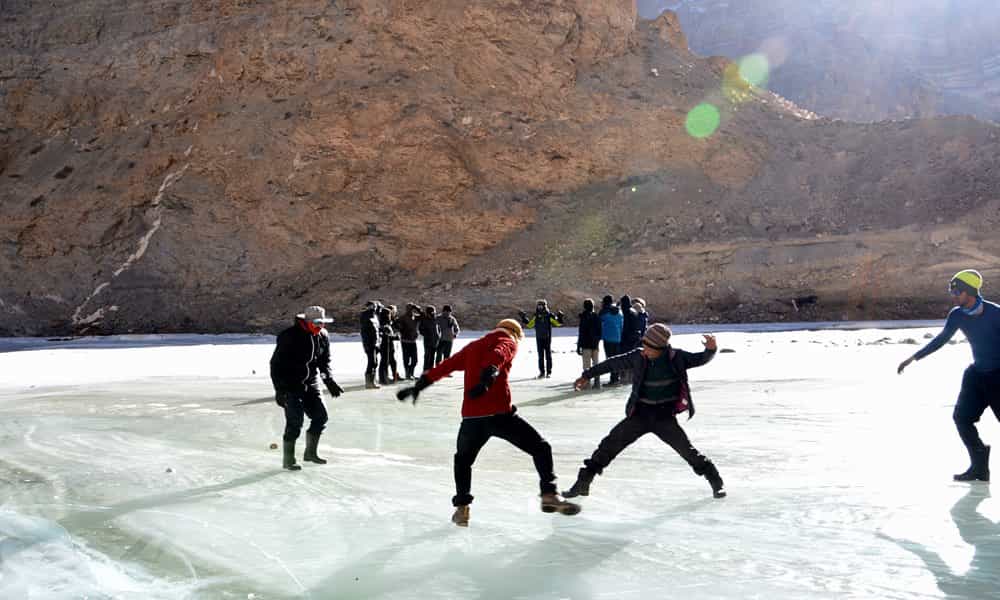

Just the sheer thought of falling in ice cold water in -20 degrees stops your heart, right?
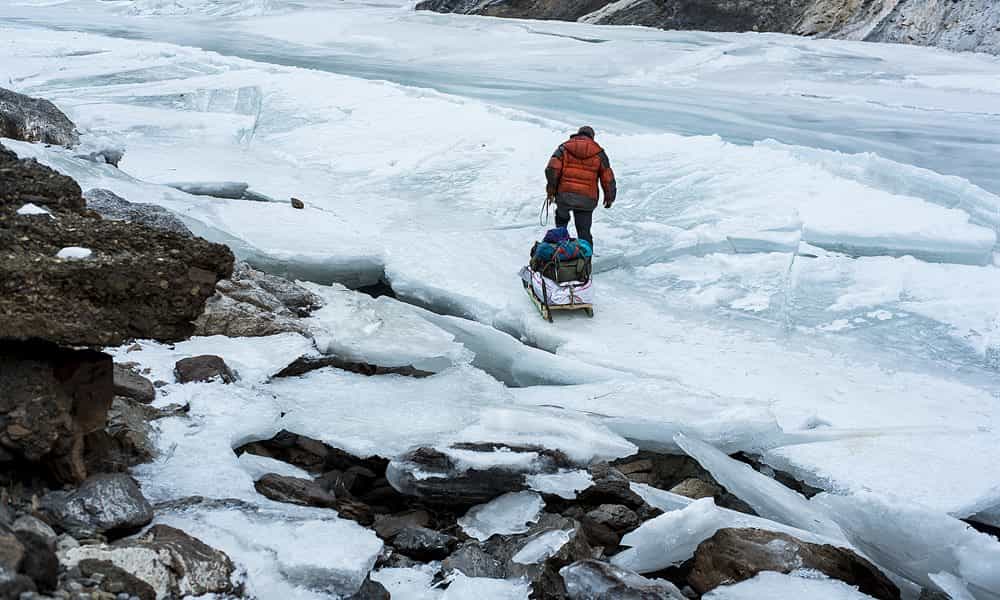
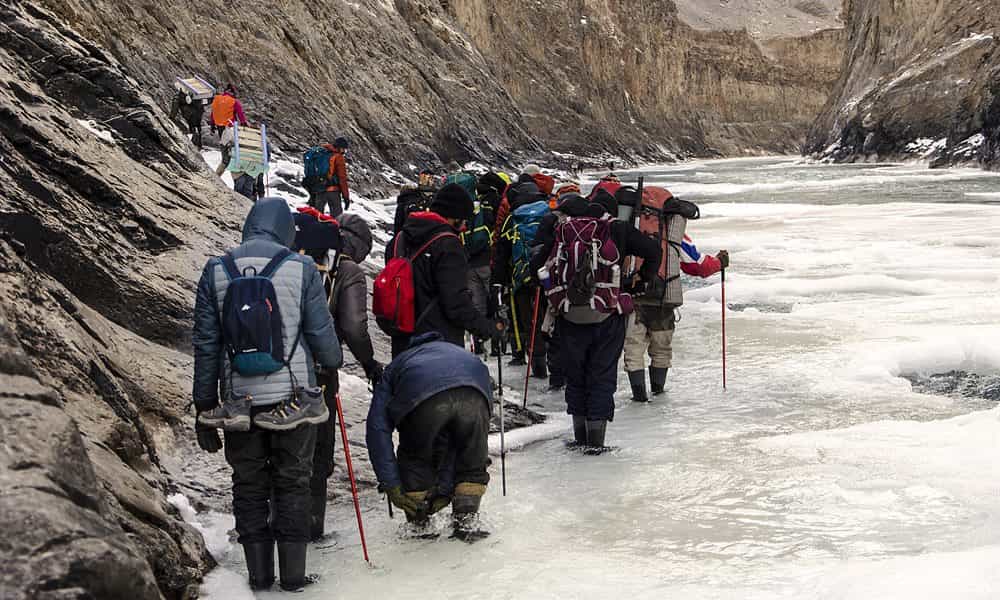
Chadar is one of the most glorious treks in the Himalayas. Its jaw-dropping beautiful, filled with wonders and frozen waterfalls, leaving everyone who steps foot on the frozen landscape, inspired. However, the sheer excitement of walking on an ice sheet for days leads people to oversee the dangers involved.
The most glorious trek is also one of the most dangerous treks in the world.
Here’s why.
1. Your worst nemesis: AMS
Leh is a small city and news spreads fast. In 2018, more than 15 trekkers were hospitalized even before their trek had begun. They were experiencing nausea, vomiting and breathlessness – all symptoms of AMS.
Here are a few facts you should know.
While most cities in India lie mostly within a 300M above sea level, Leh stands at an elevation of 3,500M. To put things in perspective, that’s almost like standing on the 900th floor of a building in your city. And this is the elevation at which you are going to trek for days. Such a sudden change in altitude has a massive impact on our bodies. And your entire treks success depends on how well you allow your body to adjust and acclimatize before the trek.
What should you do:
Get to Leh a few days in advance to allow your lungs to adjust to the altitude change. Leh is a beautiful city, use the days before the trek to go for acclimatization walks while exploring the city. If you feel great the day the trek begins, you are already acclimatized and the possibility of you getting AMS during the trek is almost nil as you don’t really gain any altitude during the entire trek.