Pure Grit. Pure Adventure.
Bikat means difficult. But with us, that’s not a warning—it’s a promise. Of stories worth telling. Of adventures worth chasing.

Subscribe to our newsletter
Get the latest updates and offers.
Pure Grit. Pure Adventure.
Bikat means difficult. But with us, that’s not a warning—it’s a promise. Of stories worth telling. Of adventures worth chasing.

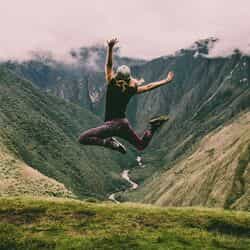
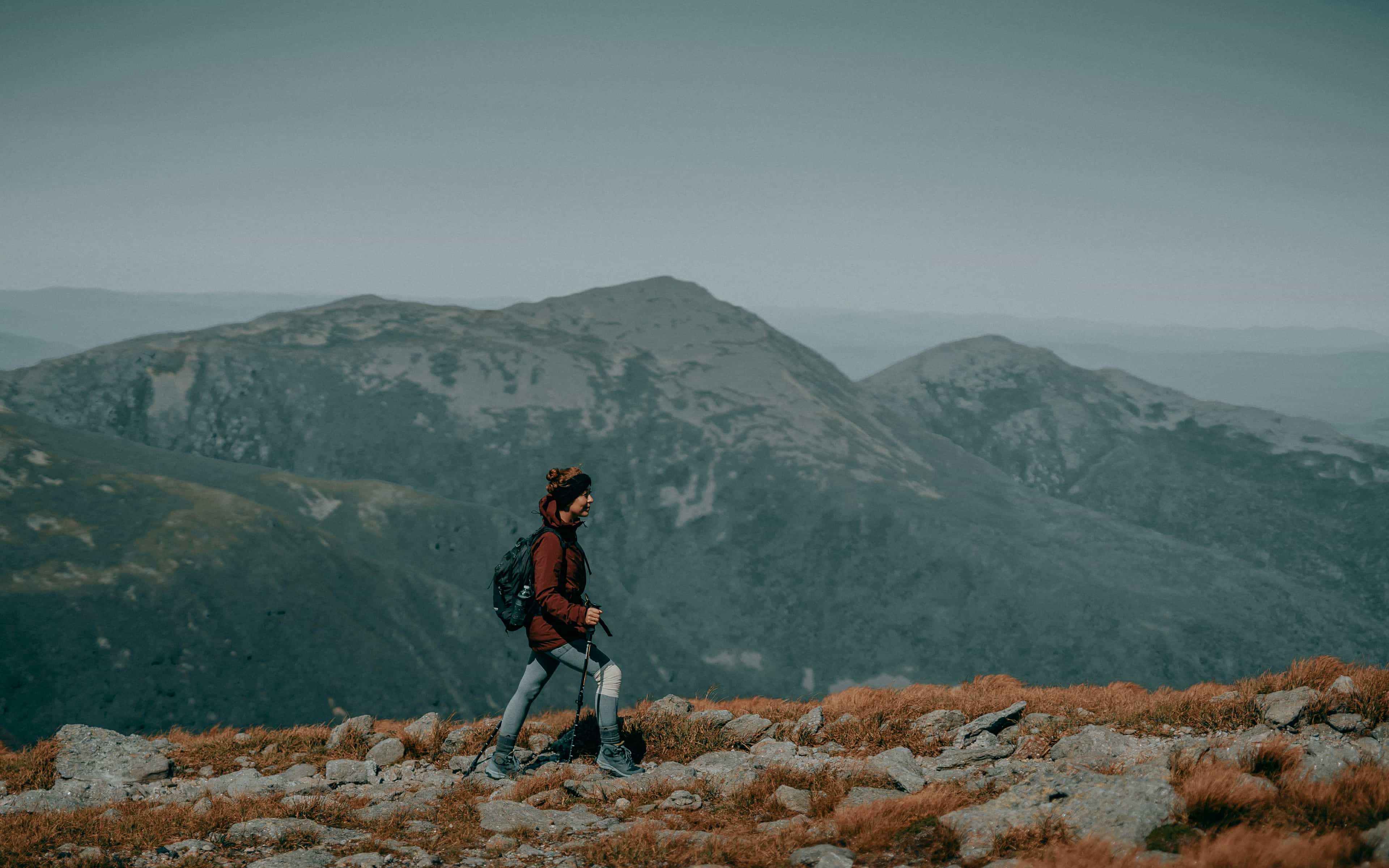
The mountains are democratic and unbiased in the way they test us. Altitude, snow, and storms don’t discriminate between men and women. Young and old. The cold doesn’t care who you are. The trail doesn’t bend for your gender. But the experience! The experience of the trekker’s body—what it carries, how it reacts, how it endures—is far from identical.
For women, trekking often means carrying not just a backpack, but also a physiology with its own cycles, rhythms, and vulnerabilities. A female body is no less capable of summiting a 7,000-meter peak, but it may carry a different set of challenges along the way. These challenges are biological, psychological, and social all at once.
In the outdoor community, we talk endlessly about gear, fitness, and altitude. What we rarely talk about are the very real realities women face on the trail. Menstrual cycles. Body temperature differences. Iron requirements. The invisible labor of managing privacy in open landscapes. And the cultural weight women often carry in groups where sensitivity is not yet the default.
At Bikat, we don’t treat these realities as inconveniences or exceptions. We treat them as part of the landscape of trekking—something to prepare for with knowledge and care, just as we prepare for storms or steep ascents. Respecting these differences doesn’t mean lowering the bar. It means creating conditions where every trekker, regardless of gender, can perform at their peak without avoidable discomfort.
This is not another “women can do it too” pep talk. Women have already proven themselves on the world’s highest summits, from Junko Tabei on Everest to Bachendri Pal in the Indian Himalayas. This is about the quieter details of the trail—the moments in tents, on ridgelines, in snowbound valleys—where gender shapes the experience.
One of the most common questions women ask before signing up for a trek: What if I get my period on the trail? The truth is: if you trek often enough, you probably will. And sometimes, you’ll even get it earlier than expected. Physical exertion, altitude, and stress can alter hormonal rhythms and trigger cycles to shift. It’s uncomfortable, yes, but it doesn’t have to be a barrier.
Sanitation on Trail: We train trek leaders to create private spaces around campsites for women to manage hygiene. All sanitary products, like pads, must be packed out and disposed of responsibly once back in town. The principle of Leave No Trace applies here more than ever.
Menstrual Products: Many women prefer menstrual cups in the outdoors because they generate less waste and are easier to carry, but the choice is always personal. Whatever you use, carry it in sufficient quantity, with ziplocks or pouches to manage disposal.
Water & Cleaning: Water sources are not always abundant at high camps. Carry a dedicated bottle for cleaning, and biodegradable wipes if needed. Trek leaders at Bikat understand this requirement and are trained to provide support without fuss.
Cramps & Pain: Altitude, dehydration, and long hours of walking can amplify cramps. Heat patches, prescribed pain relief, and conscious hydration help. Our leaders are trained to adjust the pace if someone is struggling.
The point is simple: Menstruation on a trek is not an obstacle—it’s a management issue. With awareness, respect, and preparation, it becomes just another element of the trail.
Periods are only part of the story. The female body differs in ways that directly affect trekking performance. These are not weaknesses; they are physiological realities that shape how women experience the trail.
Muscle Mass & Strength Distribution: Women typically carry less muscle in the upper body but often more strength and endurance in the lower body. Trekking relies heavily on the legs, glutes, and hips—areas where women are often naturally stronger. This translates into steady climbing power and resilience over long distances.
Endurance & Pain Tolerance: Studies in sports physiology show women often sustain aerobic effort longer and recover faster from endurance strain. In high-altitude trekking, where patience trumps brute force, this endurance is an advantage.
Iron & Oxygen Transport: Women are more prone to iron deficiency, which can impair oxygen delivery at altitude. This is not about toughness—it’s biology. Addressing it with iron-rich nutrition or supplements before the trek can prevent fatigue and improve performance.
Temperature Sensitivity: Differences in circulation mean women often feel colder faster, especially in extremities. The solution is layering correctly, having reliable sleeping bags, and staying active in camp. Cold sensitivity is not fragility—it’s physiology.
Outdoor companies have a responsibility not only to get trekkers up and down safely, but also to create inclusive systems of care. At Bikat, that means:
Gender-Sensitive Training: Leaders are trained to handle period-related requests with discretion and empathy. Privacy is non-negotiable. Respect is built into our standard operating procedure.
Medical Preparedness: Our first-aid protocols cover more than altitude sickness and sprains. They include preparedness for menstrual discomfort and other issues that disproportionately affect women outdoors.
Community Norms: We foster groups where equality and respect are baseline. Trekking is not a performance of strength; it is a collective journey. Everyone carries their weight, everyone gets their space.
Because “the outdoors is for everyone” only means something if everyone is actually seen. Women should not have to battle ignorance on top of altitude. They deserve leaders and organisations who take their needs seriously—without stereotypes, without fuss.
When this care is normalised, women don’t just cope with the trail, they thrive on it. They summit. They set the pace. They redefine what grit looks like.
The mountains demand grit from all of us. But grit doesn’t look identical in everybody. For women, it sometimes means trekking through cramps, carrying sanitary waste back down in a ziplock, or staying warm despite circulation working against them.
Acknowledging these realities doesn’t weaken the image of women in the outdoors—it strengthens it. It shows that women summit with these challenges, not despite them.
At Bikat, we’ll keep doing the work—training our leaders, refining our systems, and holding the line of respect—so that no woman ever feels the mountains are “not for her.”
Because they are. Always were. Always will be.
Your email address will not be published.
Discover these similar Blogs
Explore more categories and themes from the same trail journal.


