logo icon
  • Treks
    New Category
    • Kedar Kantha Trek
    • Har Ki Dhun Trek
    • Chopta Tugnath Trek
    • Beas Kund Trek
    Medium
    • Valley of Flowers Trek
    • Hampta Pass Trek
    • Sundakphu Trek
    • Goecha La Trek
    Hard
    • Chadar Trek
    • Stok Kangari Trek
    • Rupin Pass Trek
    • Pin Parvati Pass Trek
    image
    Choose your trek difficulty
    View All Treks
  • Expeditions
    New Category
    • New Link
    • New Link
    image
  • Skiing
    • Skiing
  • Why Bikat
  • Full On Travel
  • Blog
  • Shop
  • About

Pure Grit. Pure Adventure.

Bikat means difficult. But with us, that’s not a warning—it’s a promise. Of stories worth telling. Of adventures worth chasing.

Region

Month

Difficulty

Adventure Name

brand
  • Treks
    • Difficulty
      • New Category
        • Kedar Kantha Trek
        • Har Ki Dhun Trek
        • Chopta Tugnath Trek
        • Beas Kund Trek
      • Medium
        • Valley of Flowers Trek
        • Hampta Pass Trek
        • Sundakphu Trek
        • Goecha La Trek
      • Hard
        • Chadar Trek
        • Stok Kangari Trek
        • Rupin Pass Trek
        • Pin Parvati Pass Trek
    • Region
      • Uttarakhand
        • Kedar Kantha
        • Har Ki Dhun
        • Rupin Pass Trek
        • Valley of Flowers Trek
      • Himachal Pradesh
        • Hmpta Pass Trek
        • Beas Kund Trek
        • Pin Parvati Pass Trek
        • New Link
      • Ladakh
        • Chadar Trek
        • Stok Kangari Trek
        • Markha Vallery Trek
        • Lumayuru Trek
      • Sikkim
        • Goecha La Trek
        • Dzongari Trek
        • Greem Lake Trek
      • Bhrigu Pass Trek
        • Annapurna Circuit Trek
        • Langtag valley
        • New Link
    • Season
      • Summer (Apr-Jun)
        • Valley of Flowers
        • Hampta Pass Trek
        • Kedarkantha Trek
      • Monsson (Jul-Sep)
        • Sundakphu Trek
        • Goecha La Trek
        • Markha Valley Trek
      • Autumn (Oct-Nov)
        • Rupin Pass Trek
        • Pin Parvati Trek
        • Har Ki Dhun Trek
      • Winter (Dec-Mar)
        • Chadar Trek
        • Kedarkantha Trek
        • Chopta Tungnath Trek
    • Family Trek
      • Family Treks
        • Chopta Tungnath Trek
        • Har Ki Dun Trek
        • Beas Kund Trek
        • Bhrigu Lake Trek
    • Beginner Friendly
      • Beginner Friendly
        • Kedarkantha Trek
        • Hampta Pass Trek
        • Sandakphu Trek
        • Dzongri Trek
    • Off-beat
      • OFF-BEAT
        • Green Lake Trek
        • Lumayuru Trek
        • Lantang Valley Trek
        • Rupin Pass Trek
    • High Adventures
      • High Adventures
        • Stok Kangari Trek
        • Chadar Trek
        • Pin Parvati Pass Trek
        • Everest Base Camp Trek
    • Bikat Recommends
      • Bikat Recommends
        • Kedarkanth Trek
        • Valley of Flowers Trek
        • Goecha La Trek
        • Chadar Trek
    • Fresh Explorations
      • Fresh Explorations
        • Lamayuru Trek
        • Green Lake Trek
        • Langtang Valley Trek
        • Bhrigu Lake Trek
  • Expeditions
    • New Column
      • New Category
        • New Link
        • New Link
  • Skiing
    • Skiing
  • Why Bikat
  • Full On Travel
  • Blog
  • Shop
  • About
Whatsapp
Chat With Us
Pre Sale
Pre Booking - 8448680062
Post Sale
Post Booking - 9319028363 /8588878499
Email
Email - info@bikatadventures.com
Email
support@bikatadventures.com

Follow us on social media

Subscribe to our newsletter

Get the latest updates and offers.

Contact Us

Whatsapp
Chat With Us
Pre Sale
Pre Booking - 8448680062
Post Sale
Post Booking - 9319028363 /8588878499
Email
Email - info@bikatadventures.com
Email
support@bikatadventures.com

Company

About Us
Careers
Blog
Why Bikat

Support

Contact
Environment Policy
Privacy Policy
Terms and Conditions
Sitemap

Services

Treks
Mountaineering
Crossover Expeditions
Cycling
Bikat Experiences
Skiing
Custom

Mobile

Download on the
Apple Store
Get in on
Google Play
© 2026 Bikat Adventures. All Rights Reserved|Powered by: Novel Knett Software Solutions
Privacy PolicyTerms of Service
FacebookTwitterInstagram
Home
>
Blog
>
A Travel Guide to Nagaland
Informative

A Travel Guide to Nagaland

Rishabh Tiwari
Written by
Rishabh Tiwari
28 Sept 2023
0 views
7 comments
A Travel Guide to Nagaland

Nestled amidst lush hills and vibrant landscapes in the northeastern part of India, Nagaland is a landlocked state bordered by Arunachal Pradesh, Assam and Manipur on three sides. On the fourth side, towards the east, it shares an international border with Myanmar. Its untouched beauty, rich cultural heritage, and warm-hearted people make this falcon capital of the world a welcoming state in all its seasons. 


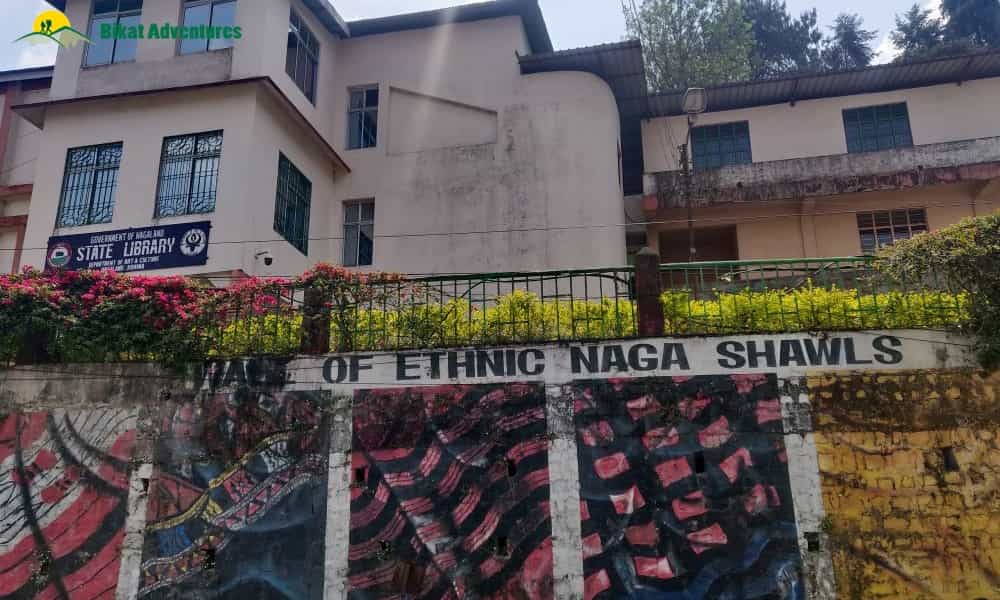
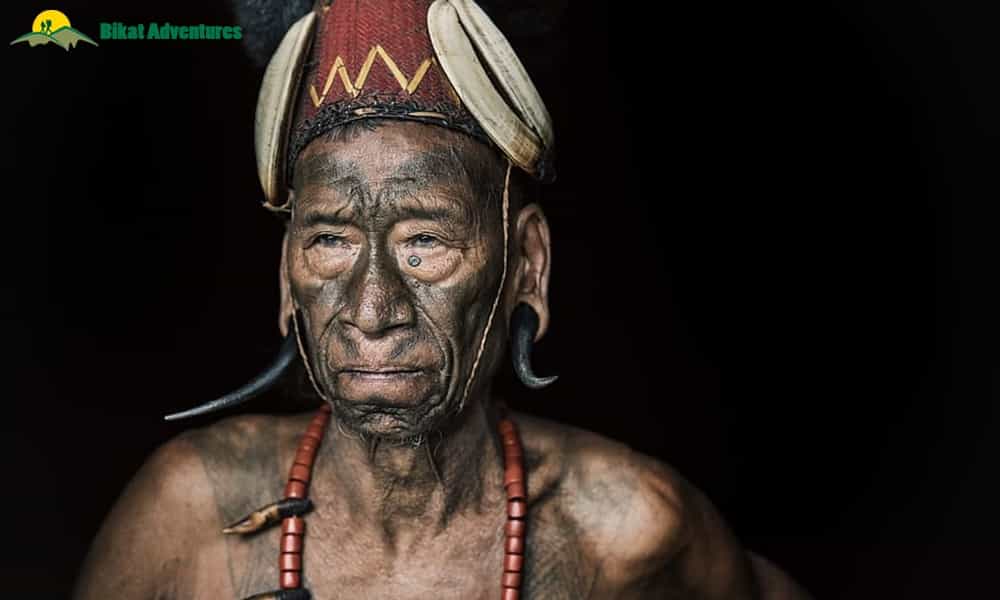
Although there is no consensus on how the state got its name, one belief is that Naga comes from the Burmese word Na-Ka meaning people with earrings or a pierced nose. The history of Nagaland's tribes is as rich as it is diverse. The Naga tribes, known for their unique cultures and languages, have inhabited the region for centuries. Each tribe boasts of its own distinct traditions, social structures, and rituals, contributing to the captivating mosaic of Nagaland's cultural fabric. Among these tribes, the Headhunters tribe stands out for their historical practices. This tribe, comprised of various subgroups like the Konyaks and the Ao, was once renowned for their fearsome tradition of headhunting, which was deeply intertwined with their spiritual beliefs and warrior culture. Over time, societal changes and influences from the outside world have led to the abandonment of headhunting and a shift towards preserving and celebrating their traditional customs through festivals, arts, and crafts. The intricate tattoos, vibrant attire adorned with beads and feathers, and the symbolic Naga warrior shawl are prominent elements that reflect their identity.


blog-image-0


This mystical land which invites travelers from across the globe offers breathtaking landscapes where vibrant traditions coexist with modernity. Nagaland's allure as a travel destination lies in its unique blend of natural wonders and its diverse indigenous cultures.


God, Man and Tiger: A tale of Naga origin

Of the many stories and many different versions of these many stories, the origin story of the Naga people finds its roots in Mao folklore. It tells the tale of a mother who fell asleep under a banyan tree and was impregnated by the clouds that enveloped her. She gave birth to three sons: Tiger, God and Man. It is believed that of her three sons, only Man took great care of her. When it came time for her to pass on, the three brothers quarreled over her inheritance. Her navel, the middle point, was considered to be the earth the three brothers fought over. To settle the dispute, the mother decided to hold a competition. She created a podzii or a grass ball and said that the first one to touch this grass ball would be declared the winner. Because she favoured Man, she helped him by suggesting that he use a bow and an arrow to touch the ball the fastest. Man eventually won but to the displeasure of his brothers, God and Tiger. The three separated and man to this day follows traditions and practices to appease his two brothers for the three of them to be united once again.


blog-image-0


The land is filled with interesting folklore such as this, telling intricate tales of its people and their beliefs. Travelling to Nagaland is going on a journey with its people as they progressed over the ages through their many historical, political and cultural wars. Although the state has been battling political unrest for a long time, the struggle has not managed to destabilize their cultural fabric. With the surge of development, major cities in Nagaland are seeing global brands make inroads into their markets with the cities and the lifestyle slowly starting to resemble that of any major town in the country. But when you visit the state, you realize that you find traces of their unique identity in small everyday practices that they bring from their roots as a people. 

To be in Nagaland is a joyful experience. 

(Read, Tips to Travel to Northeast India)


How to Get To Nagaland

Dimapur is the best entry point into Nagaland. It connects the state to major cities like Guwahati, Kolkata and Delhi.


By Air

Dimapur has the only airport in the state of Nagaland. It is well connected to Guwahati, Kolkata and Delhi. The airport is 70 kms from the state capital, Kohima. You can get cabs to travel between Dimapur and Kohima.


By Rail

Dimapur has the only railway station in Nagaland. It is well connected to Guwahati and Kolkata. You can get shared cabs or private cabs to get from Dimapur to Kohima. It is close to a 2 hour journey. 


By Road

Direct buses run between Guwahati and Kohima from Guwahati State Bus Terminal. Kohima is also just a 5 hour drive from Imphal, Manipur. Shared cabs are aplenty between these cities so you can definitely club Nagaland and Manipur in your exploration of the Northeast.


Travelling within Nagaland

Government and private buses are available for inter-district travel, offering a budget-friendly option for getting around the state. They may not be overly reliable, though. A better way to travel within the state is to get shared taxis or rental cars which are a more popular, convenient and flexible mode of transportation. Rental cars are available in Dimapur and other major cities. To explore within the capital and close-by places, it is best to rent out a two-wheeler. However, you need to remember that Nagaland is a hilly state. Hire a self-drive two-wheeler only if you are comfortable riding on steep, narrow slopes going up and down.  

(Read, Who Should Travel to Northeast India)


Permits

An Inner Line Permit (ILP) is required for entering the state through any of the check gates across inter-state borders. You can apply for an eILP for your dates of visit here.


Best months of the year to visit Nagaland

Nagaland is an all year destination. The time of your visit will depend on what about the state you are most interested in exploring. March to May is best to witness the richness of its landscape with a fresh bloom of a myriad variety of flora including rhododendrons. Monsoon months from June to September are a burst of refreshment with lush green surroundings. Although due to road conditions, access to remote areas in the state might be limited during rains. October to February are best if your objective to visit Nagaland is to immerse yourself in the culture of the land. The state hosts a wide number of festivals in winter months. 


Understanding the Map of Nagaland

 

blog-image-0


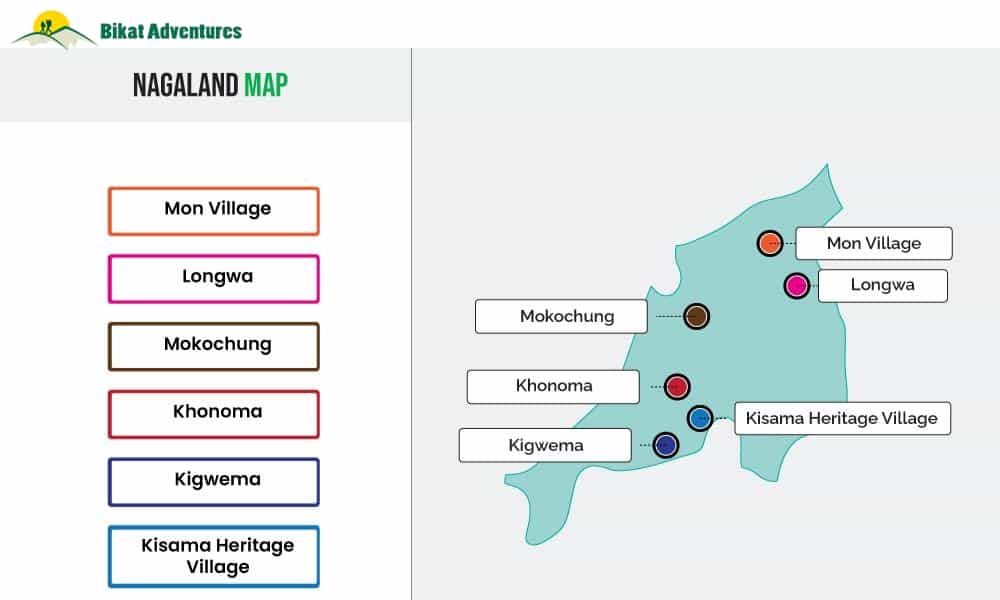
Nagaland is divided in 16 districts. Each district boasts of its own set of highlights. Kohima is the capital city of Nagaland. It is a hilly town perched at an elevation of 1,444M.

With the establishment of homestays, cultural tourism in Nagaland, is gaining a fair bit of momentum. The recent surge of development has made it possible to make day trips to remote villages in the state and spend time with local families getting an immersive experience of the heart of Nagaland.


5 Places You Must Visit in Nagaland


1. Khonoma 

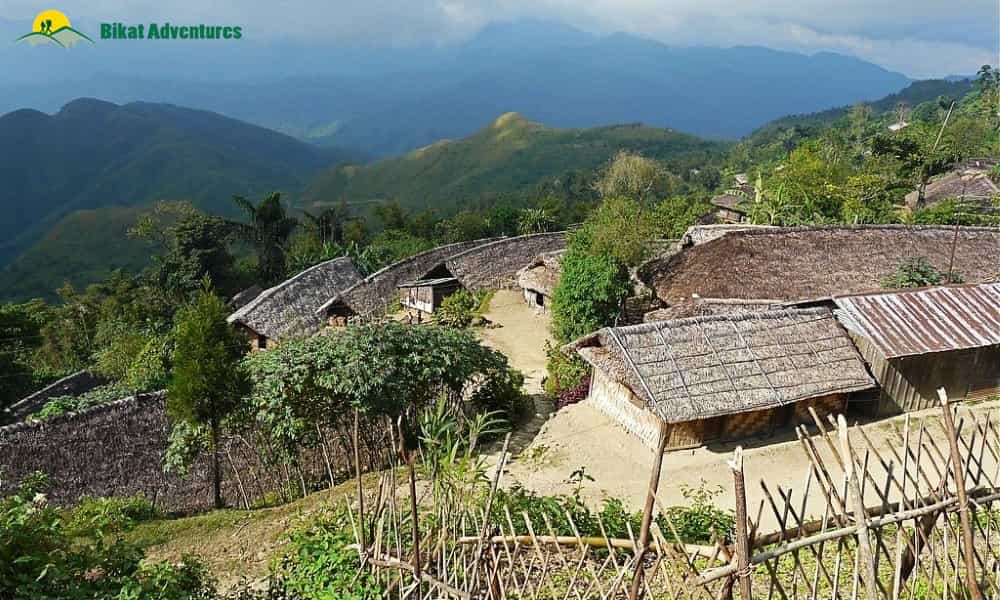
Khonoma, a small village with a population of less than 500, was named India’s ‘first green village’ in 2005. An Angami Naga village, 20 kms from the state capital, Kohima, Khonoma gets its name from an Angami term for a local plant. This small town was the site of the famously termed ‘Battle of Khonoma’ which was the last organized resistance by the Nagas against the British, a fight fiercely fought to stop bonded labour. 

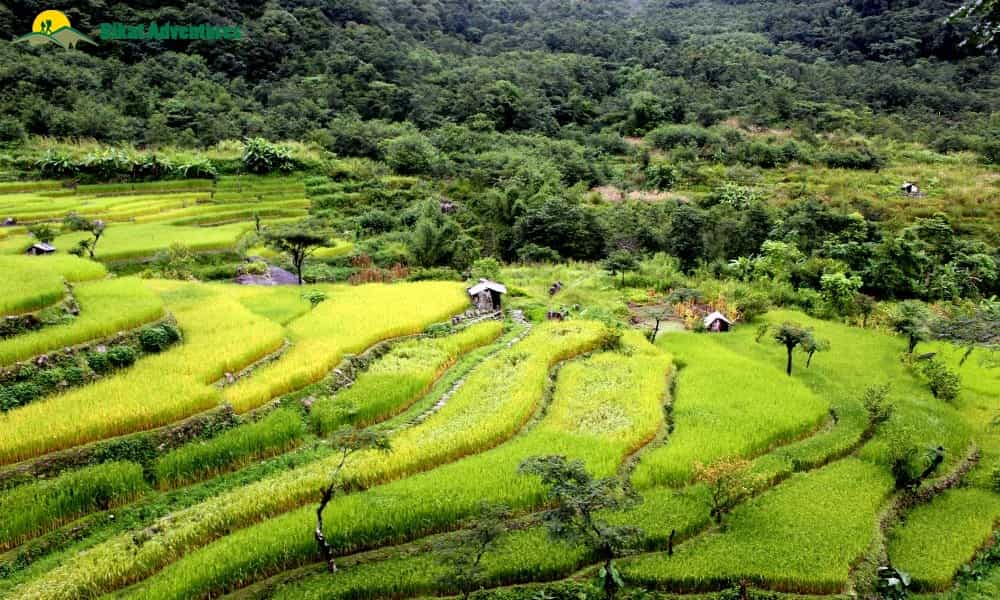
The rocky outback of this hilly town is covered with thick forests rich in flora and fauna. Emerald paddy fields cover the valley floors in between the forested hills. Blyth’s tragopan, the endangered state bird, is found in these forests, now protected by the state against hunting.


blog-image-0


Known for its conservation efforts and rich history of valiant warriors, Khonoma Village is an excellent place to learn about Naga history and eco-friendly practices. You can either make a day visit to this peaceful town or spend the night here. There are a few simple homestay options available. 


2. Kisama Heritage Village

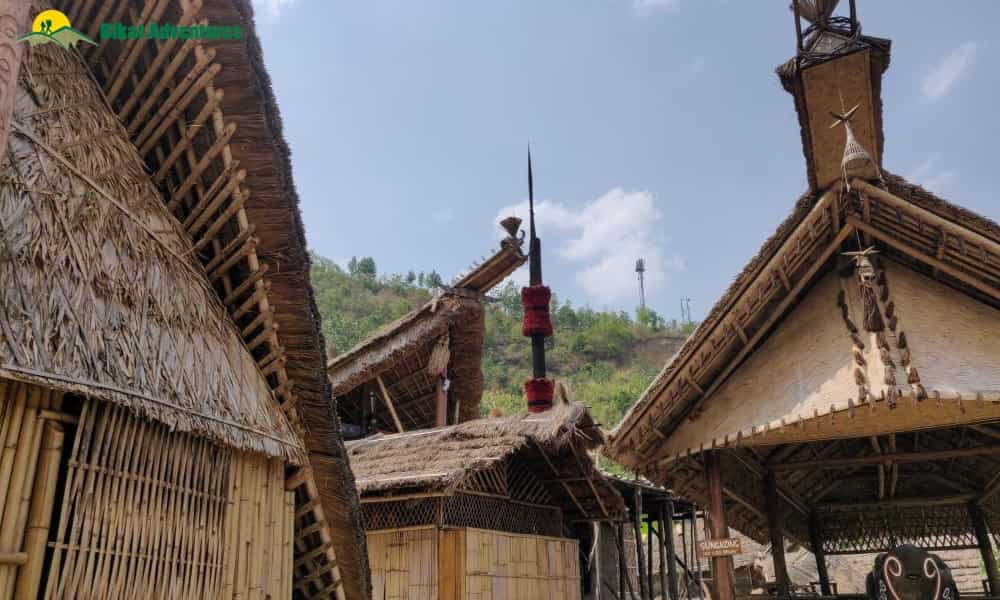
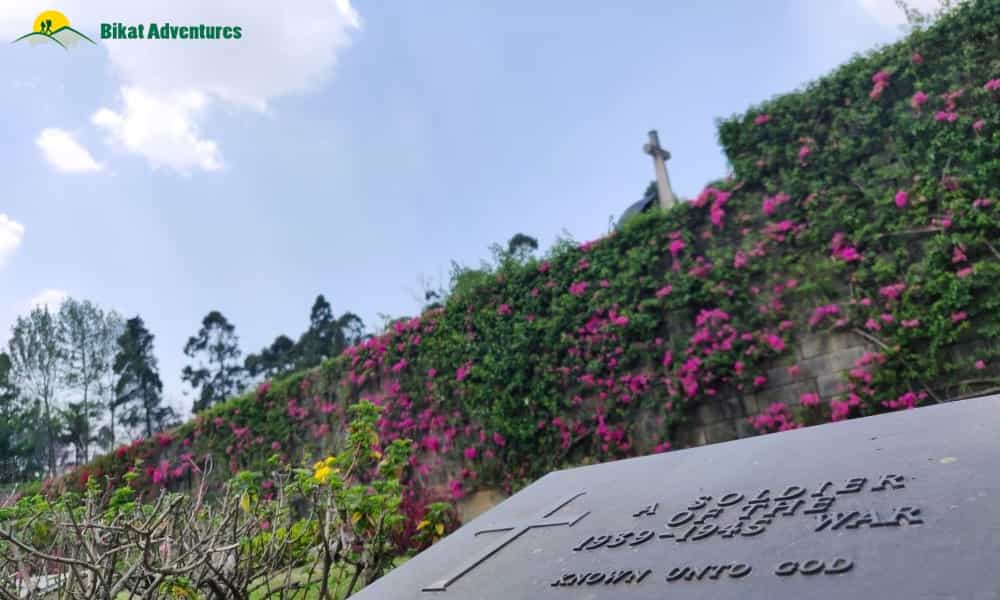
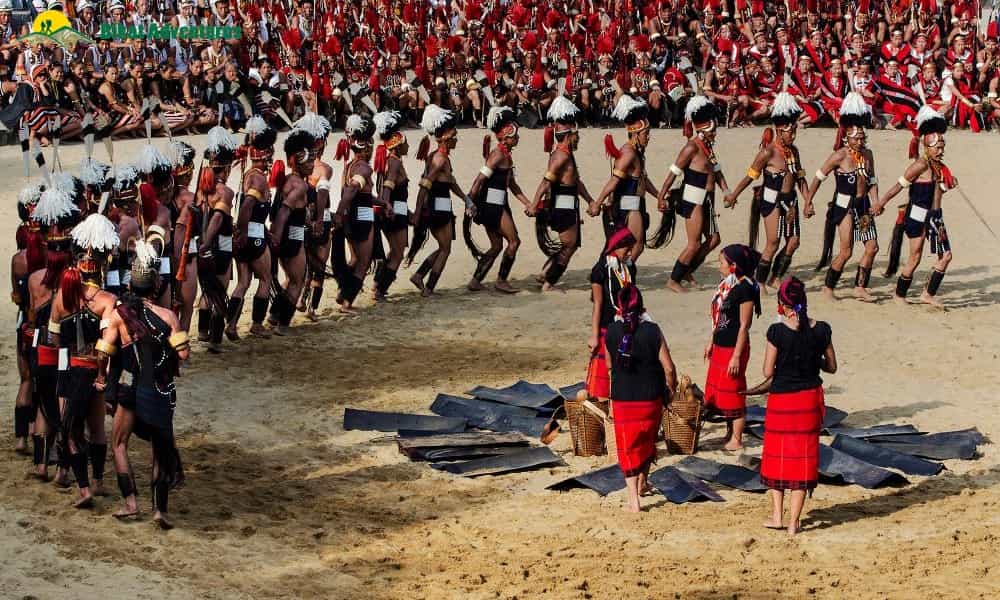
At a distance of 12 kms from Kohima, Kisama Heritage Village, is designed as an ancient Naga village with morungs of 17 different Naga tribes. These houses, each with its own shape and design, are fitted with small everyday objects found in Naga homes to mirror an authentic Naga household. Each house represents a certain tribe in the Naga community. This intentionally designed village hosts the infamous Hornbill Festival which is one of the biggest festivals of the state and attracts tourists from all over the world. There also is a WWII Museum in the village which is filled with memorabilia of the battles fought around Kohima.


blog-image-0


3. Kigwema

At a distance of 16 kms from Kohima towards the same side as Kisama Heritage Village, Kigwema is an Angami village of historical importance associated with WWII and the Battle of Khonoma. This small town rests at the foot of Mount Japfu which at 3,015M is the second highest point of Nagaland. There are a few houses in the village that welcome tourists. You can plan to spend a day in the village and trek up to Mount Japfu to get a bird’s eye view of the hills and valleys of this lush green state.


blog-image-0


4. Mon

Towards the northern end of Nagaland lies the hill town of Mon which serves as an access point for the many Konyak villages in the area. To get to Mon, you have to enter Kohima and travel through the state capital. Not only is Mon worth a visit, but the scenic ride from Kohima to Mon is an experience in itself. While the insufferable roads tend to turn a simple road trip into an extreme adventure, the forested hills that they go through make the ride a refreshing experience. On the way you pass small tribal settlements which mostly are inhabited by the Ao people. Once known to be fierce warriors, they now excel at the arts. They are weavers who create the most spectacular shawls with animal motifs and designs that speak of their life, surroundings and history. You also cross Mokokchung on the way to Mon which is a town with a lot to explore.


blog-image-0


Rental cars may be your best bet to travel to Mon and back to Kohima. Most of these remote villages are not connected by a public transport service. Getting a one-way day ride to get to Mon may be difficult. It is best to have a local guide with you so you have better and safe access to the more remote areas in the region.


5. Konyak Villages

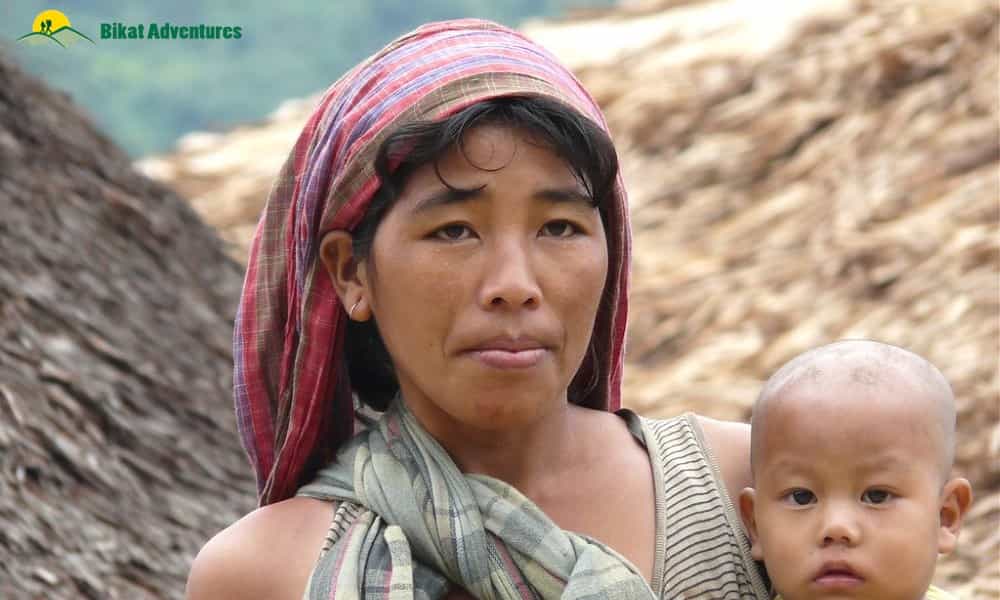
 Around 35 kms from Mon, there is a tourist-friendly hamlet that straddles the India-Myanmar border and goes by the name of Longwa. This is where some of the people from the headhunters’ tribe still live. The older generation, now housed in these villages, wear tattoos all over their bodies which tell of their stories from the past. They are happy to share their lived experiences from their time as head hunters. The village houses a fascinating range of weaponry from WWII, pieces of metal aircrafts as collected from the thick forests and dinosaur-like totems.


blog-image-0


Spending time with locals here is an interesting experience. Their houses are decorated with animal skulls and the stories that the locals have to share about their way of life is intriguing to say the least. Now very far away from the headhunting life, the tales have an otherworldly feel like coming from a distant memory which seems much like an illusion – with them now being more a performance of reliving the past than a life that was once as real as age itself. 

Some other villages close to Mon that can be visited are Old Mon which is 5 kms from Mon, Singha Chingnyu which is 20 kms away and Shangnyu which is at a distance of 25 kms from Mon.

(Read, Northeast India: Interesting Facts)


5 Things you Absolutely Must do In Nagaland


1. Trek to the Dzukou Valley

Lush green forests and a wide expanse of rolling hills as far as your eye can see – that is pretty much what describes Dzukou valley, one of the most beautiful treks in Nagaland. The flora and fauna found on this trek are unmatched in their beauty and charm. The trail is an introduction to the unique culture of Nagaland as it takes you through some of the most remote villages in the state.


2. Visit the Triple Falls

As the name suggests, it is a three-tiered fall which drops from the height of 280 feet. It is situated in Dimapur, which is your entry point into Nagaland; you don’t need to make a major detour to get here!  


3. Attend the Hornbill Festival

The Hornbill festival is perhaps one of the most renowned festivals in Northeast India. Chances are if you have ever remotely considered travelling to Northeast India, you have heard the name of this festival which celebrates the rich indigenous culture of the state and its many tribes. Named after the state’s most admired birds, the festival is a 10 day affair filled with folk songs, dances, food and crafts that showcase the heritage of 17 different tribes from the region.

The festival is such a huge affair that there is an entire village made up with different kinds of tribal houses authenticating the entire experience. While the Kisama Heritage Village is open all year long, it truly comes alive during the Hornbill festival which is held each year from 1st to 10th of December. Kisama is near Kohima, which is the capital city of the state of Nagaland.


blog-image-0


 4. Experience the Naga cuisine

Nagaland's gastronomy is an adventure in itself. Sample dishes like smoked pork, bamboo shoot delicacies, and fiery Naga chillies; they are sure to leave a lasting impression. The food also speaks so much about the geography; it’s the most intimate way to connect to the land and its people.


5. Soak in the local culture

Nagaland is one of those places which is best explored without a solid plan. Hire a vehicle and travel far and wide without an agenda, with the only purpose of discovering the state as it presents itself in its many forms and shades. Backpacking through Nagaland with a flexible schedule and an open mind, irrespective of whether you are sticking to major towns and local markets or going deeper into the remote villages of the state, is an absolute vibe!

A trip to Nagaland is one long festival! 

Share
Prev
Chadar- The Frozen River Trek: Who is This Meant For?
All blogs
Next
A Travel Guide to Sikkim

Guest reviews

User
08 Jul 2024

Nagaland, with its lush landscapes and rich cultural heritage, is a hidden gem in Northeast India. This land of vibrant traditions and welcoming people offers a unique travel experience. From the historical tales of the Headhunters tribe to the breathtaking beauty of Dzukou Valley, Nagaland is a destination that captivates the soul. Explore its diverse cultures, savor the local cuisine, and immerse yourself in the timeless charm of this mystical state.

User
08 Jul 2024

Nagaland, with its lush landscapes and rich cultural heritage, is a hidden gem in Northeast India. This land of vibrant traditions and welcoming people offers a unique travel experience. From the historical tales of the Headhunters tribe to the breathtaking beauty of Dzukou Valley, Nagaland is a destination that captivates the soul. Explore its diverse cultures, savor the local cuisine, and immerse yourself in the timeless charm of this mystical state.

Leave a Reply

Your email address will not be published.

Max 5 images, total size 3MB
Preview images

Related content

Discover these similar Blogs

10 Mountain Features Every Trekker Should Know: Master the Lingo of the Himalayas

10 Mountain Features Every Trekker Should Know: Master the Lingo of the Himalayas

02 Apr 2026
Kedarkantha vs Dayara Bugyal: The Ultimate Winter Trek Showdown

Kedarkantha vs Dayara Bugyal: The Ultimate Winter Trek Showdown

01 Dec 2025
Skiing in Kashmir: A No-Nonsense Guide to the Gulmarg Skiing Scene

Skiing in Kashmir: A No-Nonsense Guide to the Gulmarg Skiing Scene

09 Nov 2025
Go Nuts November — Official Explainer (How to Enter + Win)

Go Nuts November — Official Explainer (How to Enter + Win)

31 Oct 2025
Gulmarg vs Auli: Where to Learn Skiing in India  (An Honest Guide for 2025)

Gulmarg vs Auli: Where to Learn Skiing in India (An Honest Guide for 2025)

31 Oct 2025
Sleeping Bags that Actually Work in the Himalayan Winters (Not Just on Websites)

Sleeping Bags that Actually Work in the Himalayan Winters (Not Just on Websites)

27 Oct 2025
Snowfall Areas in India You Can Actually Trek Through

Snowfall Areas in India You Can Actually Trek Through

19 Oct 2025
Skiing in India: All You Need to Know Before You Hit the Slopes This Winter

Skiing in India: All You Need to Know Before You Hit the Slopes This Winter

10 Oct 2025
Trekking in Winter: Why Winter Trails Are a Different Kind of Magic

Trekking in Winter: Why Winter Trails Are a Different Kind of Magic

08 Oct 2025
Snow Trekking Shoes in India: What Actually Works on the Himalayan Trails

Snow Trekking Shoes in India: What Actually Works on the Himalayan Trails

08 Oct 2025

Popular tags

Explore more categories and themes from the same trail journal.

March

March

0 treks
April

April

0 treks
Skiing Courses

Skiing Courses

4 treks
May

May

0 treks
June

June

0 treks
Kayaking Courses

Kayaking Courses

0 treks
July

July

0 treks
6000M+ Peaks

6000M+ Peaks

1 treks
Nepal Treks

Nepal Treks

6 treks
Offbeat Treks

Offbeat Treks

26 treks
Scuba Courses

Scuba Courses

2 treks
August

August

0 treks
Wild Life Treks

Wild Life Treks

2 treks
Winter Treks

Winter Treks

28 treks