
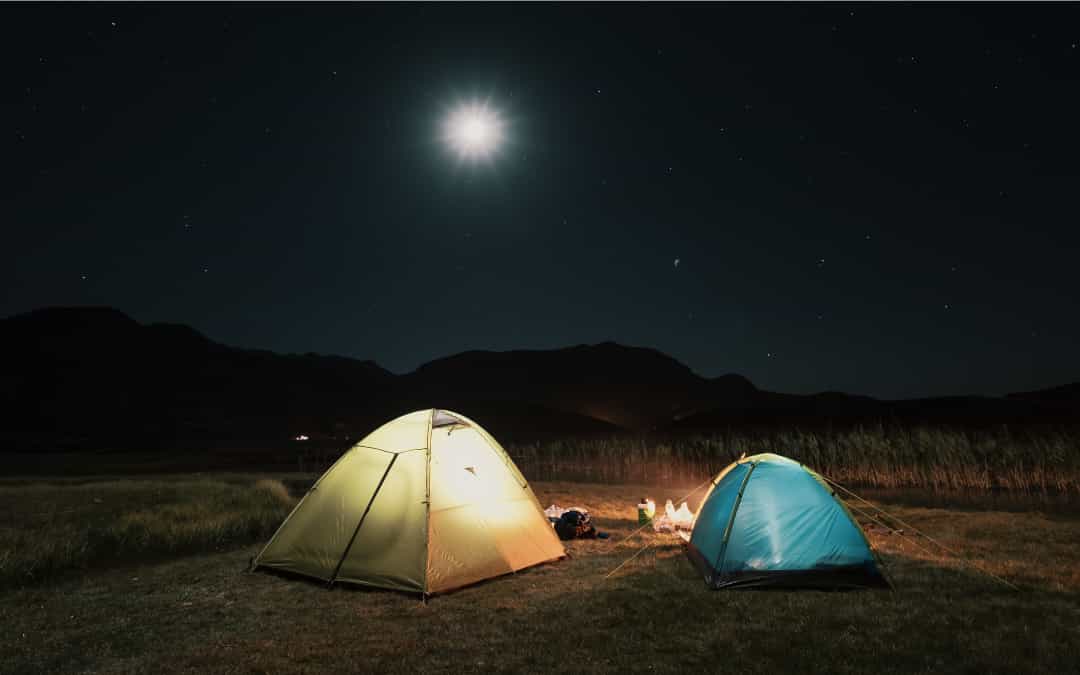
We all know how captivating a thought it is to imagine yourself in the midst of mountains, enjoying the moment under a camp with either your friends, family, or lover. Camping is without a doubt one of the most fun parts of trekking but it can cause heavy damages to the environment if it is not done right.
Camping ethics go much further than the well-known slogans of "Leave No Trace" and "Pack it in, pack it out". They enhance the camping experience for other campers and help conserve natural resources. It is important that we all do our part to protect our state and our national parks. So, whether you are trekking solo or with a trekking organisation, the following are some principles which when followed can greatly favor the mountains -
Eco-friendly Ethics:
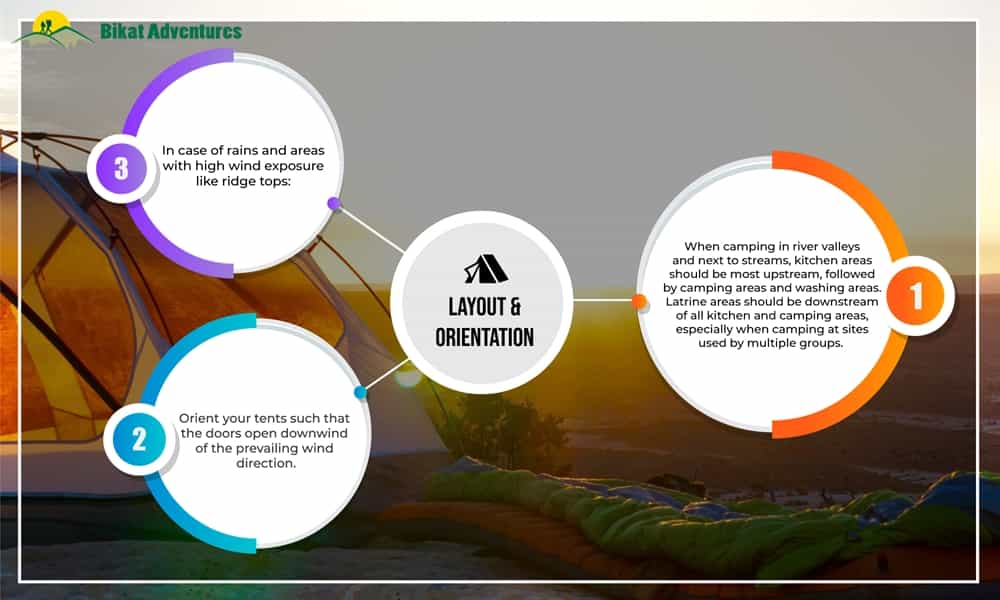
Set up campsites at least 200 feet away from water sources. This reduces the possibility of contamination and allows wildlife access.
- If you are trekking in the Indian Himalayas, in one of the water predominant treks like Kashmir Great Lakes or Hampta Pass, make sure you maintain your distance from the water source when setting up your tent. For example, under the Himachal Pradesh tourist guidelines, a campsite must be at least 50 meters (164 ft) away from the water source but it is advisable to maintain a distance of 200 feet as a general rule of thumb.
- This also allows the wildlife in the region to have easy access to these water sources.
- Make sure not to get involved in any kind of activity that pollutes the rivers or lakes if you are camped right on the waterline. This is equal to contaminating the river at its source itself as it is the same water that runs into the villages in the valleys below.
Leave no trace principles at campsites.
- Concentrate use of existing campsites and trails -
Good campsites are found, not made. When you are on a trail, try to stick to campsites that have previously been used. Altering a site is not necessary. You can easily find existing campsites for well-known treks like Nag Tibba, Kedarkantha, Brahmatal, Bhrigu Lake, etc.
- Whenever trekking in a large group, make sure to dispose off human waste properly -
Human waste contains harmful pathogens that pollutes water sources and spreads diseases to insects, rodents, and other humans visiting the area. If you are traveling in a larger group you’ll need to dig a 6-8 inch deep, 4-6 inches wide, and 12 inches long pit to properly dispose of your human waste. Ensure the toilet pits are located at least 200 feet from all the water sources.
- Keep campsites small. Focus activity in areas where vegetation is absent -
Roopkund used to receive a lot of trekkers on its trail. But in 2019, it was banned by the Uttarakhand High-court because of the harm increased footfall was causing to the biodiversity of the alpine meadows in the region. So, try to keep the campsites as small as possible to lessen the impact it causes to the environment.
Check: Leave no Trace principles
Usage of Soaps at Camping Areas.
- Avoid washing dishes directly in a natural channel. Use another pot to collect the water and move it away from the canal to wash your things. As a general rule of thumb, you should always keep a distance of 50 to 60 feet between your campground or wash area and the nearest body of water. This will ensure that leftover food and soap spoil at your campsite does not end up in natural waterways. Also, make sure to dispose of greywater on the ground, and never straight into the water sources in the region.
- Soaps generally contain harmful chemicals like Sodium Lauryl Sulfate, Paraben, Artificial Fragrances, and Dyes that cause aquatic toxicity in the environment. Parabens have been found in the bodies of marine mammals and sulfates are known to cause a plethora of allergic reactions, organ toxicity, and environmental damage. So, when choosing your soap, check the label to ensure it is free of the above chemicals.
- Even when using biodegradable, eco-friendly soap, please take care to ensure that it does not end up in the river stream. The contents of the soap have a tendency to stay in the water for a long time promoting algae growth. They can also reduce water quality which in turn makes the water harmful for consumption by other hikers.
Avoiding fixed camping -
- Fixed camping results in overexploitation of a site - If you fix your tents at a particular place, it exploits the water and other natural sources without giving them enough time to replenish. Trek with organisations that follow a rolling camp model- this not only discourages the crowding of trekkers on select trails but also keeps the spirit of trekking alive.
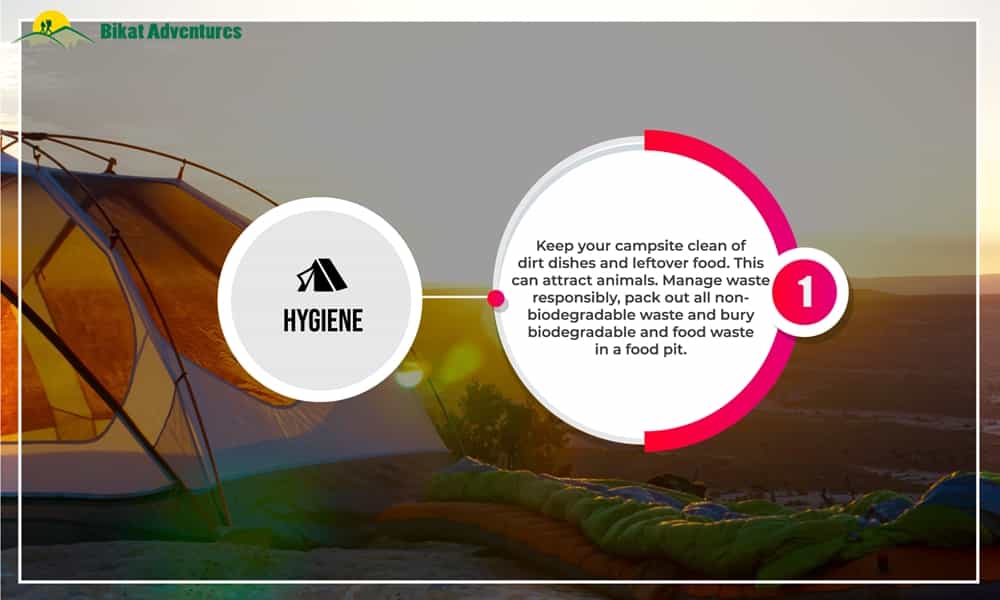
- Waste accumulation becomes an issue in fixed camps. A small group going on rolling camps would never have more than a handful of non-biodegradable waste that can be easily carried back to base by the group itself. It is always healthier to capture and segregate waste in much smaller quantities and push it for either recycling or decomposition.
Read more: Fixed camps? No. That’s not the way to roll