logo icon
  • Treks
    New Category
    • Kedar Kantha Trek
    • Har Ki Dhun Trek
    • Chopta Tugnath Trek
    • Beas Kund Trek
    Medium
    • Valley of Flowers Trek
    • Hampta Pass Trek
    • Sundakphu Trek
    • Goecha La Trek
    Hard
    • Chadar Trek
    • Stok Kangari Trek
    • Rupin Pass Trek
    • Pin Parvati Pass Trek
    image
    Choose your trek difficulty
    View All Treks
  • Expeditions
    New Category
    • New Link
    • New Link
    image
  • Skiing
    • Skiing
  • Why Bikat
  • Full On Travel
  • Blog
  • Shop
  • About

Pure Grit. Pure Adventure.

Bikat means difficult. But with us, that’s not a warning—it’s a promise. Of stories worth telling. Of adventures worth chasing.

Region

Month

Difficulty

Adventure Name

brand
  • Treks
    • Difficulty
      • New Category
        • Kedar Kantha Trek
        • Har Ki Dhun Trek
        • Chopta Tugnath Trek
        • Beas Kund Trek
      • Medium
        • Valley of Flowers Trek
        • Hampta Pass Trek
        • Sundakphu Trek
        • Goecha La Trek
      • Hard
        • Chadar Trek
        • Stok Kangari Trek
        • Rupin Pass Trek
        • Pin Parvati Pass Trek
    • Region
      • Uttarakhand
        • Kedar Kantha
        • Har Ki Dhun
        • Rupin Pass Trek
        • Valley of Flowers Trek
      • Himachal Pradesh
        • Hmpta Pass Trek
        • Beas Kund Trek
        • Pin Parvati Pass Trek
        • New Link
      • Ladakh
        • Chadar Trek
        • Stok Kangari Trek
        • Markha Vallery Trek
        • Lumayuru Trek
      • Sikkim
        • Goecha La Trek
        • Dzongari Trek
        • Greem Lake Trek
      • Bhrigu Pass Trek
        • Annapurna Circuit Trek
        • Langtag valley
        • New Link
    • Season
      • Summer (Apr-Jun)
        • Valley of Flowers
        • Hampta Pass Trek
        • Kedarkantha Trek
      • Monsson (Jul-Sep)
        • Sundakphu Trek
        • Goecha La Trek
        • Markha Valley Trek
      • Autumn (Oct-Nov)
        • Rupin Pass Trek
        • Pin Parvati Trek
        • Har Ki Dhun Trek
      • Winter (Dec-Mar)
        • Chadar Trek
        • Kedarkantha Trek
        • Chopta Tungnath Trek
    • Family Trek
      • Family Treks
        • Chopta Tungnath Trek
        • Har Ki Dun Trek
        • Beas Kund Trek
        • Bhrigu Lake Trek
    • Beginner Friendly
      • Beginner Friendly
        • Kedarkantha Trek
        • Hampta Pass Trek
        • Sandakphu Trek
        • Dzongri Trek
    • Off-beat
      • OFF-BEAT
        • Green Lake Trek
        • Lumayuru Trek
        • Lantang Valley Trek
        • Rupin Pass Trek
    • High Adventures
      • High Adventures
        • Stok Kangari Trek
        • Chadar Trek
        • Pin Parvati Pass Trek
        • Everest Base Camp Trek
    • Bikat Recommends
      • Bikat Recommends
        • Kedarkanth Trek
        • Valley of Flowers Trek
        • Goecha La Trek
        • Chadar Trek
    • Fresh Explorations
      • Fresh Explorations
        • Lamayuru Trek
        • Green Lake Trek
        • Langtang Valley Trek
        • Bhrigu Lake Trek
  • Expeditions
    • New Column
      • New Category
        • New Link
        • New Link
  • Skiing
    • Skiing
  • Why Bikat
  • Full On Travel
  • Blog
  • Shop
  • About
Whatsapp
Chat With Us
Pre Sale
Pre Booking - 8448680062
Post Sale
Post Booking - 9319028363 /8588878499
Email
Email - info@bikatadventures.com
Email
support@bikatadventures.com

Follow us on social media

Subscribe to our newsletter

Get the latest updates and offers.

Contact Us

Whatsapp
Chat With Us
Pre Sale
Pre Booking - 8448680062
Post Sale
Post Booking - 9319028363 /8588878499
Email
Email - info@bikatadventures.com
Email
support@bikatadventures.com

Company

About Us
Careers
Blog
Why Bikat

Support

Contact
Environment Policy
Privacy Policy
Terms and Conditions
Sitemap

Services

Treks
Mountaineering
Crossover Expeditions
Cycling
Bikat Experiences
Skiing
Custom

Mobile

Download on the
Apple Store
Get in on
Google Play
© 2026 Bikat Adventures. All Rights Reserved|Powered by: Novel Knett Software Solutions
Privacy PolicyTerms of Service
FacebookTwitterInstagram
Home
>
Blog
>
What Legends Live in Deoriatal Chandrashila ? We Might Have the Answer
Informative

What Legends Live in Deoriatal Chandrashila ? We Might Have the Answer

Rishabh Tiwari
Written by
Rishabh Tiwari
21 Aug 2023
0 views
0 comments
What Legends Live in Deoriatal Chandrashila ? We Might Have the Answer

Have you ever wondered what this ‘connection’ to the mountains everyone keeps talking about is? Chances are if you have ever been to the Himalayas, you’ve most likely experienced it yourself. Where does that feeling come from, do you know? We think we might have a possible answer.


blog-image-0


The natural beauty of the Himalayas is definitely spellbinding, but that is not the only reason this majestic mountain range lingers in our minds for ages after we have visited it. The Himalayas have always been a big part of our folklore. Our mythological stories have depicted all of its characteristics as life forms giving each element of this mountain range a personality of its own. The rivers that flow out of the Himalayan glaciers all have a story of their life and origin, there is history to the name of each of our mountains, and there’s a deep study of each blade of grass and every small life that thrives in this massive ecosystem. And each of these characters features extensively in our mythological stories. Is it a wonder, then, that being in the Himalayas is a spiritual experience?


blog-image-0


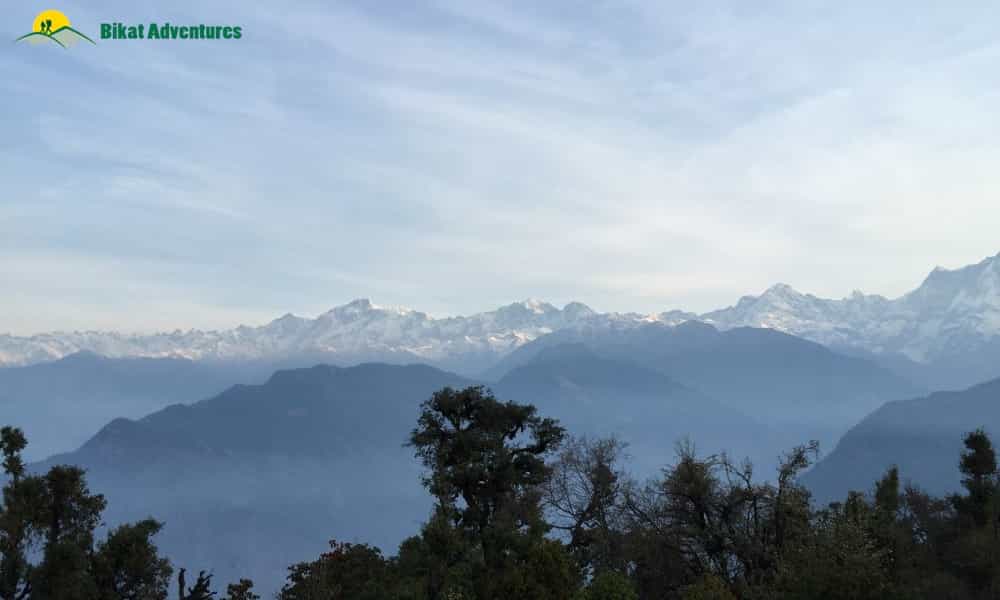
Nestled amidst the majestic Himalayan peaks, the Deoriatal Chandrashila Trek is a journey that transcends the physical realm and delves into the rich tapestry of local myths and folklore. Like all corners of our Himalayas, the trails of this trek are carriers of these legends which have been passed on from generation to generation in many different forms.

Just so they are not lost, here are some of the stories the trail of this trek has written and protected over the years. We can never tire of these tales and so each time we are on this trek, we make sure we ask a local to narrate them to us. Here’s a collection of all that we’ve heard as yet.


The Forbidden Waters of Deoriatal

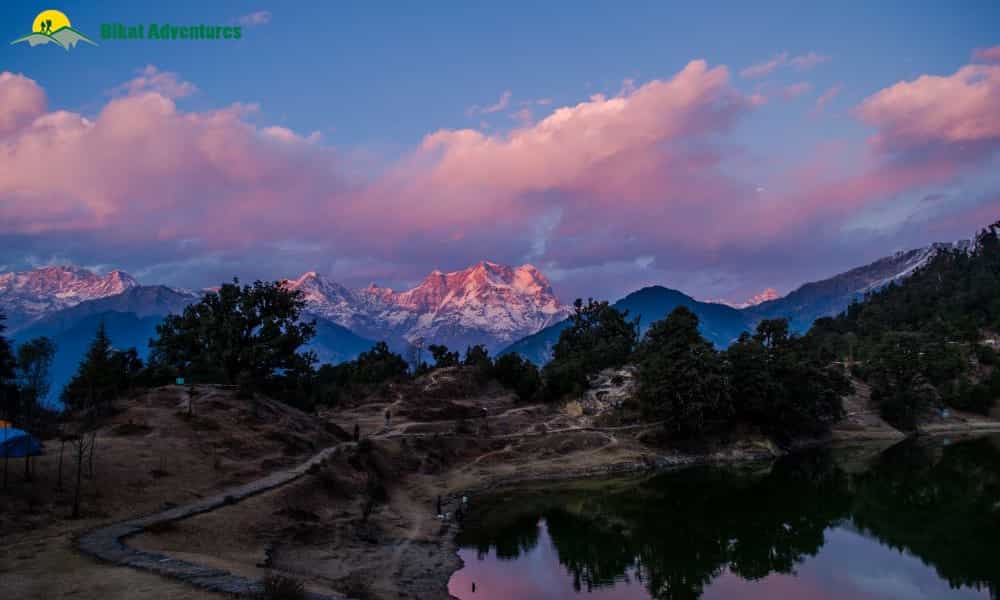
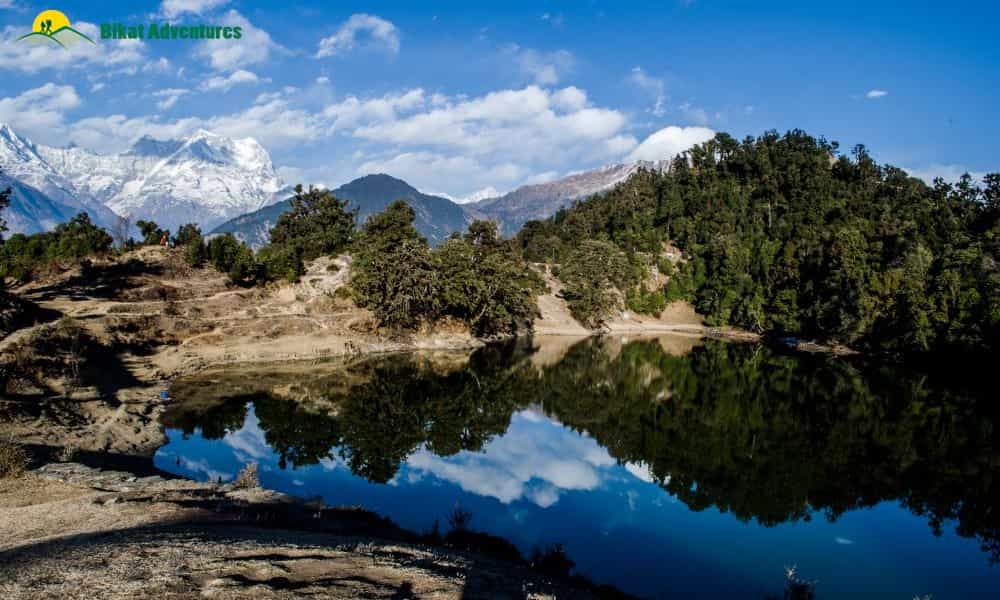
At the heart of the trek lies the pristine Deoriatal Lake, shimmering like a mirror beneath the azure sky. ‘Deo’ is a word for gods and ‘tal’ translates to ‘lake/pond’. According to local beliefs, this self-contained water body in the heart of the Himalayas is named ‘the lake of the gods’ because, well, as the name suggests, it holds a sacred connection to the Gods.


blog-image-0


It is believed that every once in a while, the gods and goddesses come down from the heavens to bathe in the pristine waters of this lake. Its clear, mirror-like surface is considered to be a reflection of the divine world.  

We also have tales establishing the lake’s water belonging to the gods! In one of the many stories narrated in the epic Mahabharata, the five Pandava brothers came to the lake during their many travels while they were in exile. Since the lake was a private bathing spot for the Gods, its waters were forbidden territory guarded loyally by a crane named Yaksha. The only way for anyone other than the Gods to access the waters of this lake was to answer Yaksha’s questions satisfactorily – the quality of the answers left solely on the crane’s judgment.


blog-image-0


Four of the five youngest brothers, tired from their journey, did not honor this peculiar request and helped themselves to the water of the lake in order to quench their thirst. Little did they know, they would pay for this act of insubordination with their lives. The oldest brother, Yudhisthir, known for his obedience, answered each one of Yaksha’s questions and was able to bring back his four brothers from the dead. Do any oldest siblings relate to Yudhistir?!


Trial at Tunganath

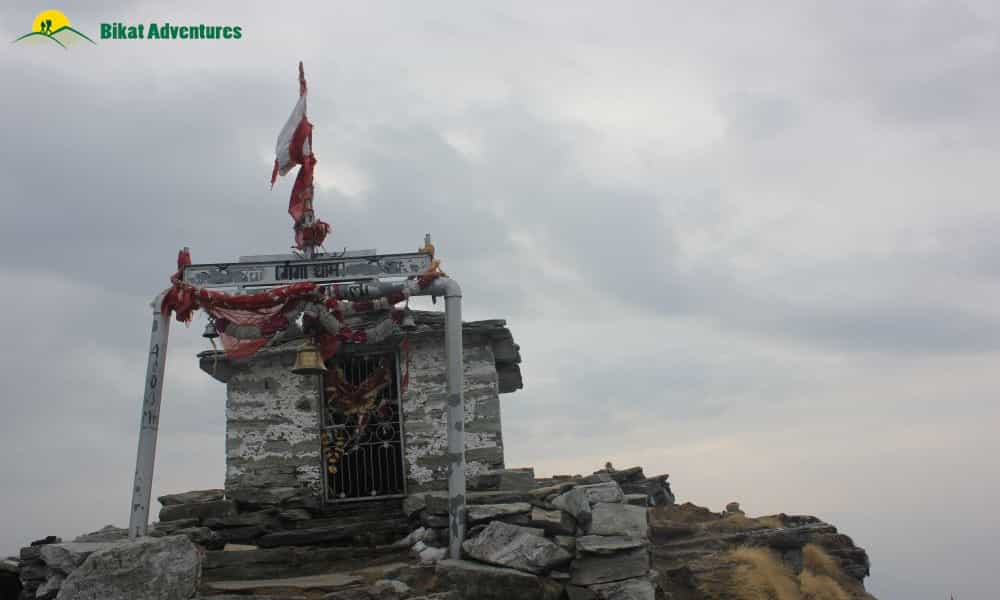
The story of one of the highest Shiva temples in the world, Tunganath (3,680M) features the Pandavas as well. Tunganath Temple, located near Chandrashila Peak, is one of the Panch Kedar temples dedicated to Lord Shiva. According to local folklore, the temple was built by the Pandavas during their exile. The Pandavas, after their defeat in the game of dice, were exiled for twelve years, with the last year to be spent incognito for which they chose the Himalayas.


blog-image-0


During this time, they wished to seek forgiveness from Lord Shiva for the sins they committed during the Kurukshetra war, where they fought against and killed their own cousins. But Lord Shiva, known for his peculiar ways, would not rid them of their guilt so easily, so he went into hiding himself! Disguised as a bull, Shiva escaped to Guptakashi. When the Pandavas figured this out, Bhima, the strongest of them all, chased after the bull. Shiva’s form then disintegrated and appeared in 5 different regions of the country. A temple was erected in each of these spots, now known as the Panch (meaning 5) Kedar (another name for Lord Shiva). As per the story, the limbs of this bull appeared at the place which is today the Tunganath temple.  Since Shiva was doing his best to avoid the five brothers, the Pandavas were the ones who erected the temple in order to appease the Lord. Did it work? Well, we might have to read the Mahabharata to know if it did!

The rest of the Panch Kedar are at Kedarnath (3,583M), Madamaheshwar (3,490M), Rudranath (3,559M), and Kalpeshwar (2,200M). 


The Many Legends of Chandrashila

Chandrashila translates to ‘Moon Rock’. Different versions of different stories exist about how Chandrashila got its name. Here are some of our favorites:

Channeling Peace at Chandrashila

In the first version, Chandra the moon god, supposedly meditated here on a ‘shila’ or rock giving birth to the name, Chandrashila. In another tale, the legendary character of Rama supposedly came to Chandrashila to atone for his sins of killing Ravana by practicing deep penance on this very rock where the moon god came looking for some peace and solitude.


 

blog-image-0


The Battle of the Gods

In yet another tale, Chandrashila Peak, which offers a stunning view of the surrounding mountains, is believed to be the battleground where gods and demons fought for supremacy.

During the epic Ramayana, the demon king Ravana was a devotee of Lord Shiva and performed intense penance to gain his favor. To test Ravana's devotion, Lord Shiva appeared before him and offered to grant him a boon. Ravana asked for immortality, but Lord Shiva declined, stating that no one can escape the cycle of life and death.


blog-image-0


Undeterred, Ravana cleverly asked for immense power and invincibility, thinking he could become invulnerable. Lord Shiva granted him the boon, and Ravana became nearly invincible in battle. However, in his arrogance, Ravana also sought to capture and control the Moon (Chandra) to demonstrate his newfound power.

To prevent Ravana's tyranny, Lord Shiva fought a fierce battle with him at Chandrashila Peak. After a prolonged battle, Lord Shiva defeated Ravana and released the Moon from his grip. The crescent moon, symbolizing Lord Shiva's grace, descended and settled on the peak, giving it the name ‘Chandrashila’.


The Third Eye

This story features the playfulness of Shiva and Parvati’s marital bliss. Once, Goddess Parvati teasingly covered Lord Shiva's eyes with her hands, plunging the world into darkness. This act of Parvati led to the entire universe being shrouded in darkness. In response, Lord Shiva's third eye opened, emitting a powerful burst of light that illuminated the entire universe. The brightness from Shiva's third eye was so intense that it was like the shining moon itself.


blog-image-0


The light from Shiva's third eye is believed to have fallen on the spot where the Chandrashila peak stands today. The peak was blessed with the divine presence of Lord Shiva, and hence it came to be known as ‘Chandrashila’ or ‘Moon Rock’, signifying the moon-like brilliance that emanated from Lord Shiva's eye.

These are only some of the many told and many forgotten tales from the trails of this trek. They are best heard from the mouths of the locals who do the retelling of these fascinating stories with a certain energy that is absolutely infectious. When you are on this trek, be sure to get a first-hand experience of these fascinating stories from those who know them best. To know that you are walking the same lands the giants from our epics once did and to become a part of these timeless tales is quite a feeling!


blog-image-0


On this trek, myths and reality intertwine to create an unforgettable experience of a lifetime.

Share
Prev
How Wise is it to Attempt Pangarchulla Peak in the Winters: All You Need to Know
All blogs
Next
Highlights of Dzongri Trek

Leave a Reply

Your email address will not be published.

Max 5 images, total size 3MB
Preview images

Related content

Discover these similar Blogs

10 Mountain Features Every Trekker Should Know: Master the Lingo of the Himalayas

10 Mountain Features Every Trekker Should Know: Master the Lingo of the Himalayas

02 Apr 2026
Kedarkantha vs Dayara Bugyal: The Ultimate Winter Trek Showdown

Kedarkantha vs Dayara Bugyal: The Ultimate Winter Trek Showdown

01 Dec 2025
Skiing in Kashmir: A No-Nonsense Guide to the Gulmarg Skiing Scene

Skiing in Kashmir: A No-Nonsense Guide to the Gulmarg Skiing Scene

09 Nov 2025
Go Nuts November — Official Explainer (How to Enter + Win)

Go Nuts November — Official Explainer (How to Enter + Win)

31 Oct 2025
Gulmarg vs Auli: Where to Learn Skiing in India  (An Honest Guide for 2025)

Gulmarg vs Auli: Where to Learn Skiing in India (An Honest Guide for 2025)

31 Oct 2025
Sleeping Bags that Actually Work in the Himalayan Winters (Not Just on Websites)

Sleeping Bags that Actually Work in the Himalayan Winters (Not Just on Websites)

27 Oct 2025
Snowfall Areas in India You Can Actually Trek Through

Snowfall Areas in India You Can Actually Trek Through

19 Oct 2025
Skiing in India: All You Need to Know Before You Hit the Slopes This Winter

Skiing in India: All You Need to Know Before You Hit the Slopes This Winter

10 Oct 2025
Trekking in Winter: Why Winter Trails Are a Different Kind of Magic

Trekking in Winter: Why Winter Trails Are a Different Kind of Magic

08 Oct 2025
Snow Trekking Shoes in India: What Actually Works on the Himalayan Trails

Snow Trekking Shoes in India: What Actually Works on the Himalayan Trails

08 Oct 2025

Popular tags

Explore more categories and themes from the same trail journal.

March

March

0 treks
April

April

0 treks
Skiing Courses

Skiing Courses

4 treks
May

May

0 treks
June

June

0 treks
Kayaking Courses

Kayaking Courses

0 treks
July

July

0 treks
6000M+ Peaks

6000M+ Peaks

1 treks
Nepal Treks

Nepal Treks

6 treks
Offbeat Treks

Offbeat Treks

26 treks
Scuba Courses

Scuba Courses

2 treks
August

August

0 treks
Wild Life Treks

Wild Life Treks

2 treks
Winter Treks

Winter Treks

28 treks